The Logistics of Evacuation: Managing Assets in Motion

The Logistics of Evacuation is the strategic operation of relocating your critical household assets during a high-threat event. In Domestic Systems Engineering, evacuation is not a retreat but a “Mobile Deployment” of your core survival infrastructure. Most people wait until an order is given to begin packing random items into a vehicle under extreme psychological … Ler mais

Supply Chain Auditing: Identifying Vulnerabilities in Home Inputs

Supply Chain Auditing is the analytical process of mapping the origin and reliability of every resource that fuels your home. In a high-performance domestic system, you are not just a consumer; you are the lead auditor of your own life-support network. Most households operate on a “Blind Trust” model, assuming that electricity, water, and food … Ler mais

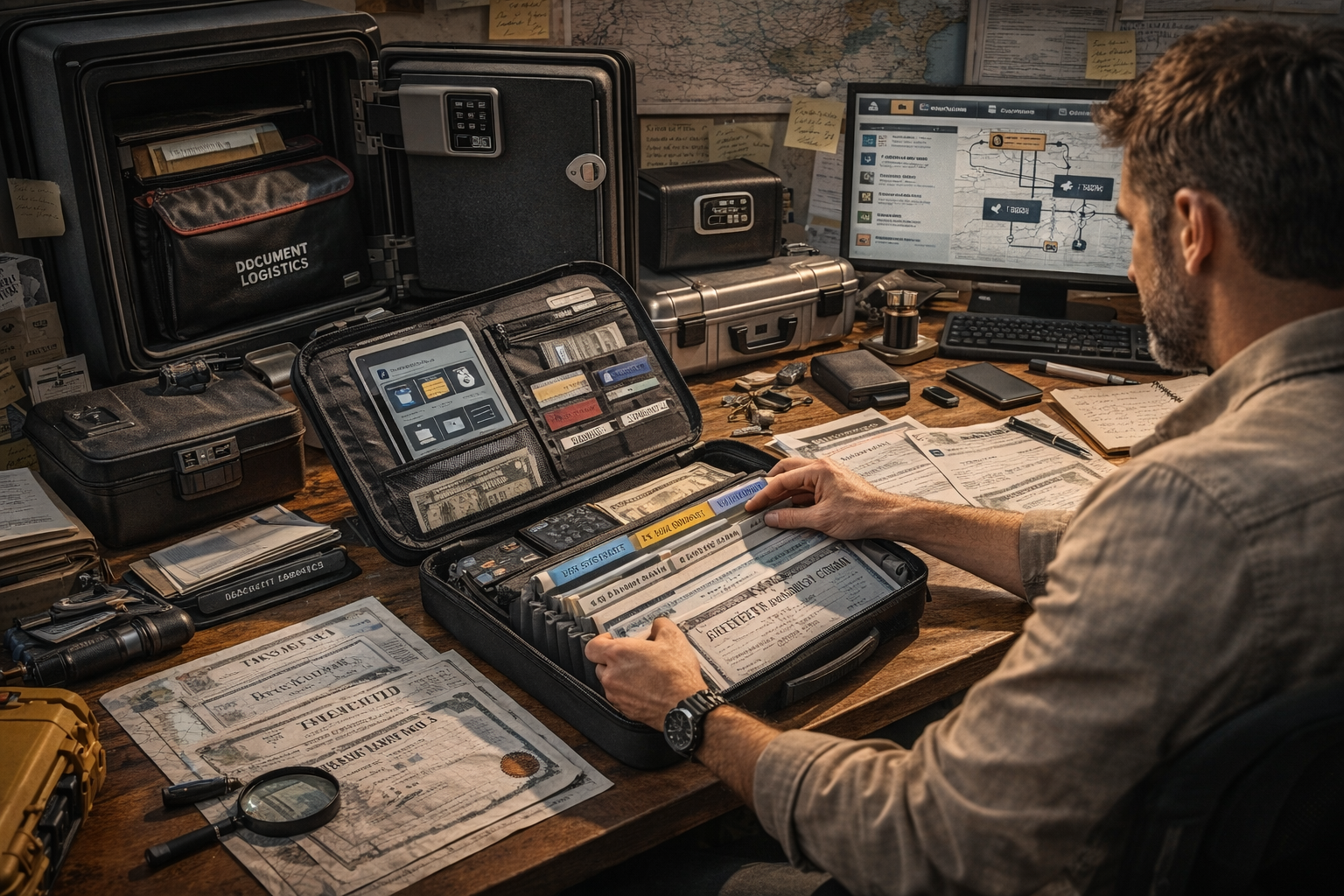
Document Logistics: Managing Vital Records and Information

Document Logistics is the systematic organization of the critical data and legal records that define your household’s identity and rights. In a high-performance domestic system, information is treated as a “Non-Physical Asset” that must be protected with the same rigor as food or fuel. Most households suffer from “Information Fragmentation,” where vital records are scattered … Ler mais

Medical and First Aid Inventory: Organizing Life-Support Assets

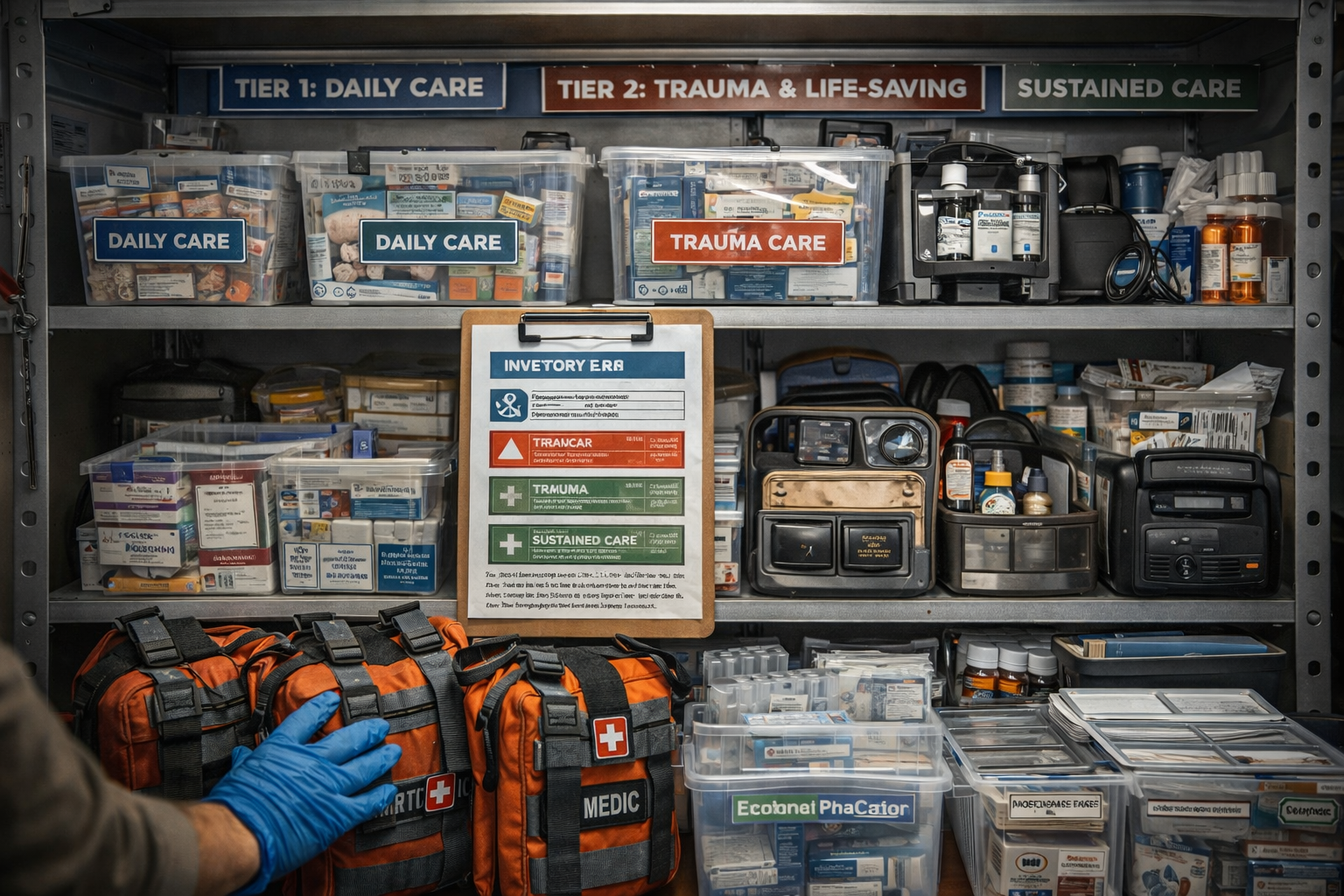
Medical and First Aid Inventory is the logistical management of the critical supplies required for trauma response and health maintenance. In a high-performance home, medical assets are treated as “Emergency Infrastructure” that must be 100% reliable and immediately accessible. Most households have a disorganized “First Aid Kit” filled with expired bandages and empty antiseptic bottles. … Ler mais

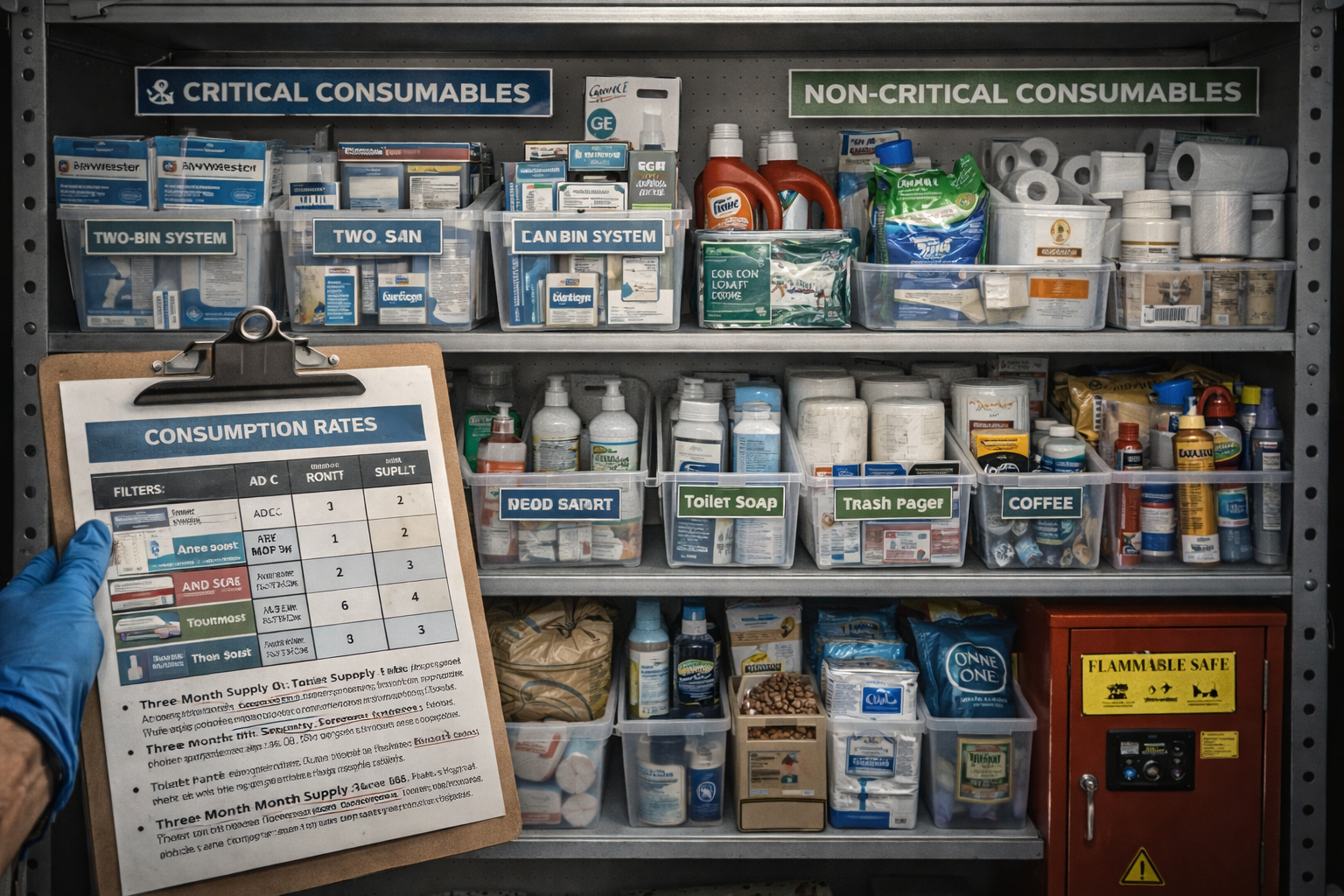
Consumables Logistics: Managing the Flow of Daily Household Assets

Consumables Logistics is the systematic management of items that are depleted through daily use within the home. In a high-performance domestic environment, products like soap, filters, and lightbulbs are treated as critical flow assets. Most households suffer from “Supply Chain Blindness,” where they only notice a shortage when the last unit is consumed. Domestic Systems … Ler mais

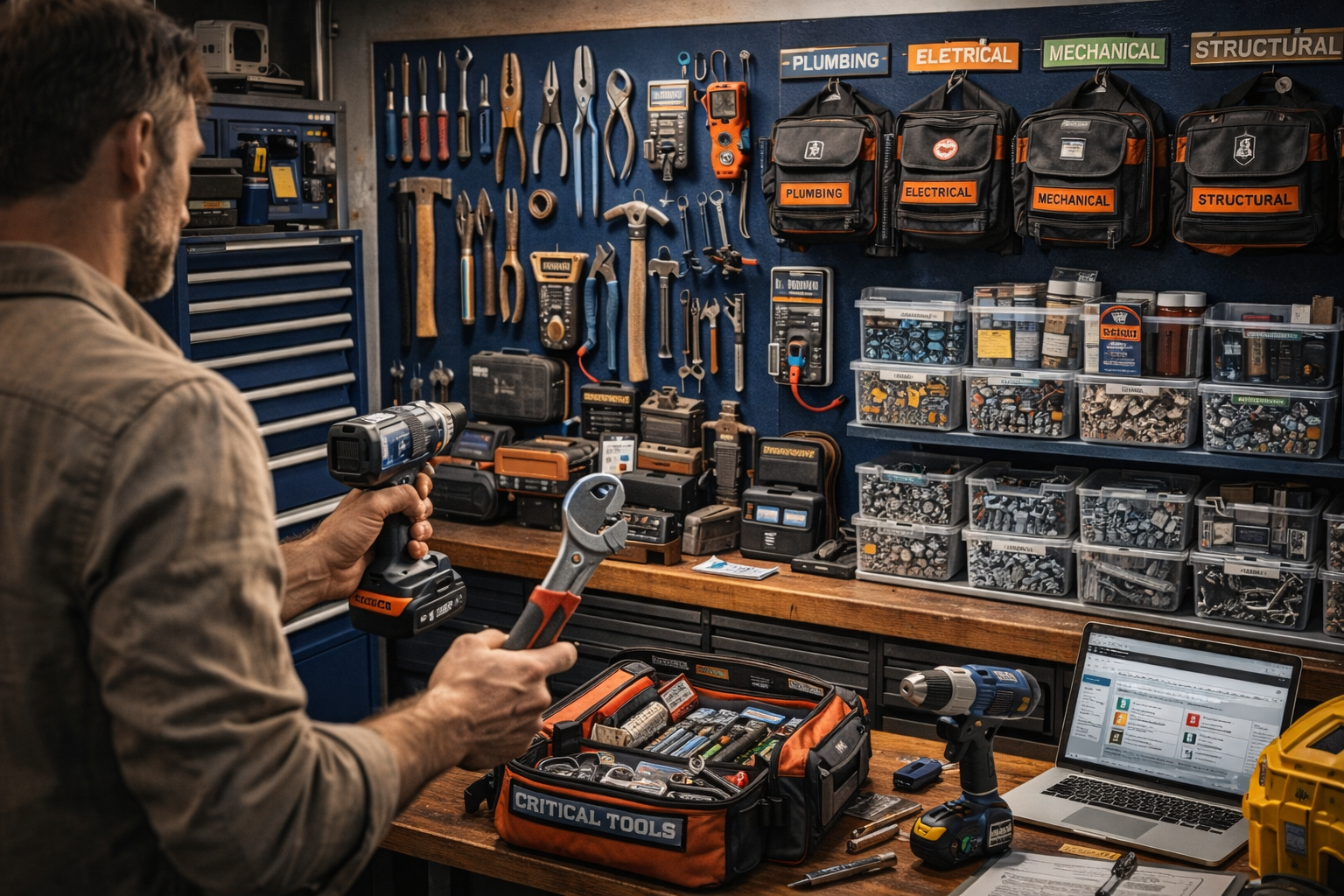
The Tool Library: Organizing Assets for Maintenance and Repair

The Tool Library is the centralized logistics hub for the physical maintenance and repair of your home. In a high-performance domestic system, tools are not just clutter in a drawer; they are the “Hardware Assets” of your repair infrastructure. Most households lose significant time and money because they cannot find the specific tool needed for … Ler mais

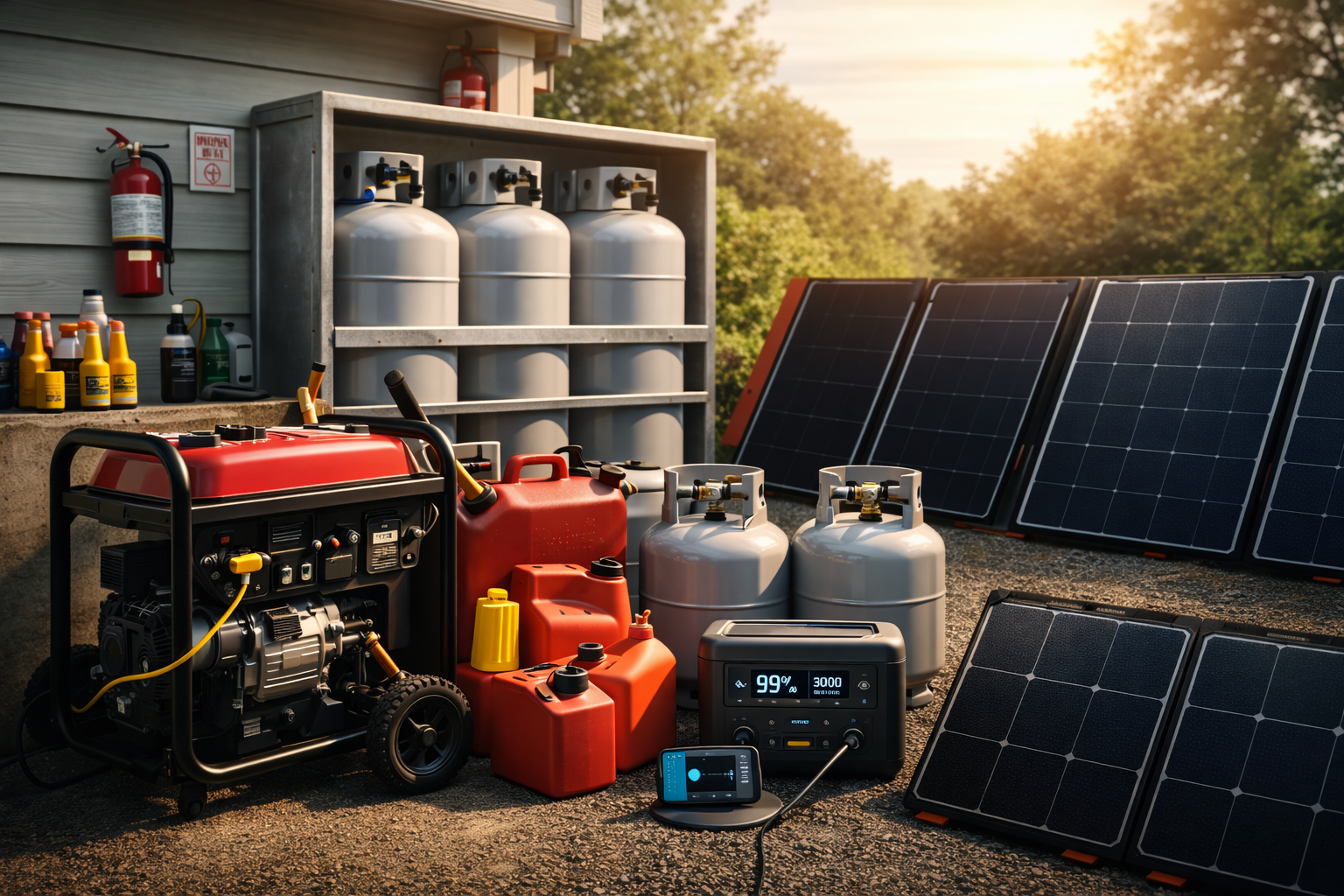
Fuel and Energy Storage: Logistics of Portable Power

Fuel and Energy Storage is the logistical challenge of maintaining the “Potential Energy” required to power your home during a grid failure. In a high-performance domestic system, energy is treated as a physical inventory that must be managed, rotated, and secured. Most homes are entirely dependent on “Flow-Based” energy, where power arrives through a wire … Ler mais

Bulk Acquisition: The Economics of High-Volume Logistics

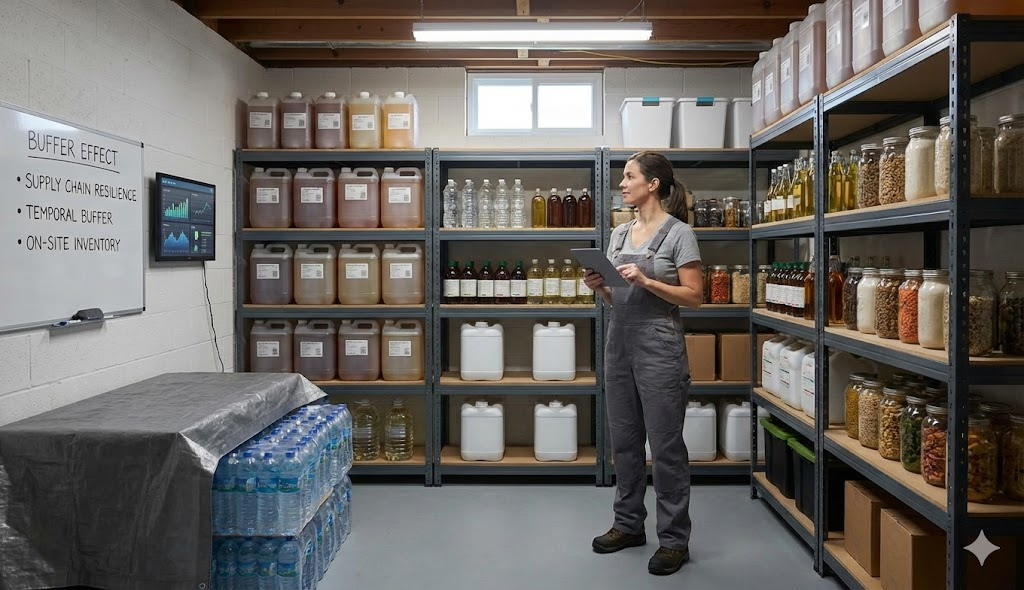
Bulk Acquisition is the strategic practice of purchasing household resources in large quantities to optimize cost and security. In the framework of Domestic Systems Engineering, buying in bulk is not just about saving money; it is about building a buffer. Traditional retail shopping is a “Just-In-Time” (JIT) habit that relies on a perfectly functioning, fuel-dependent … Ler mais

The Circular Economy: Managing Home Waste and Output

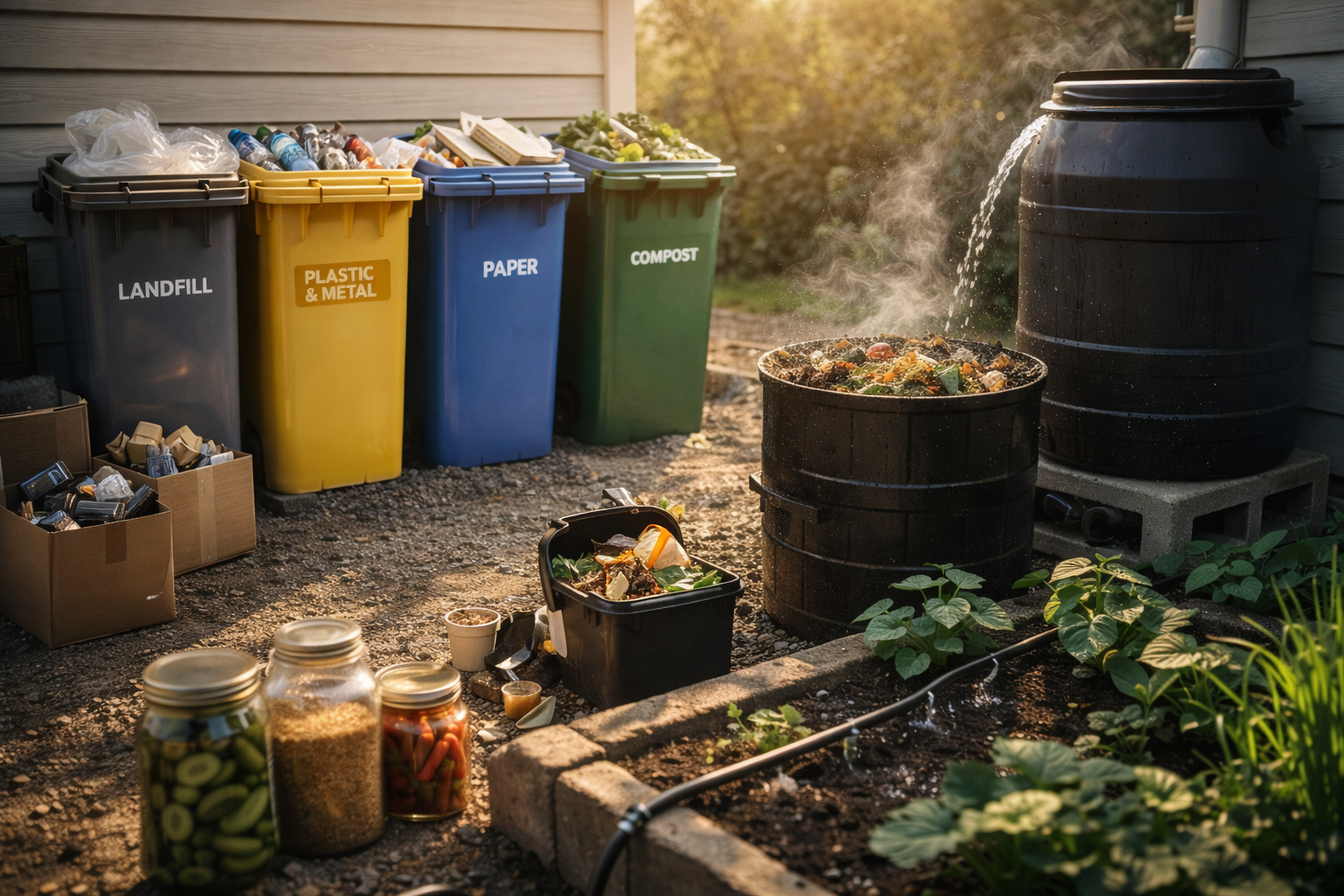
The Circular Economy is the strategic redesign of how a household handles the “output” of its daily operations. In traditional home management, resources follow a linear path of “take, make, and dispose,” leading to massive waste. Domestic Systems Engineering rejects this linear model in favor of a closed-loop system where waste becomes a resource. By … Ler mais

Inventory Management: Home Supply Chain Logic

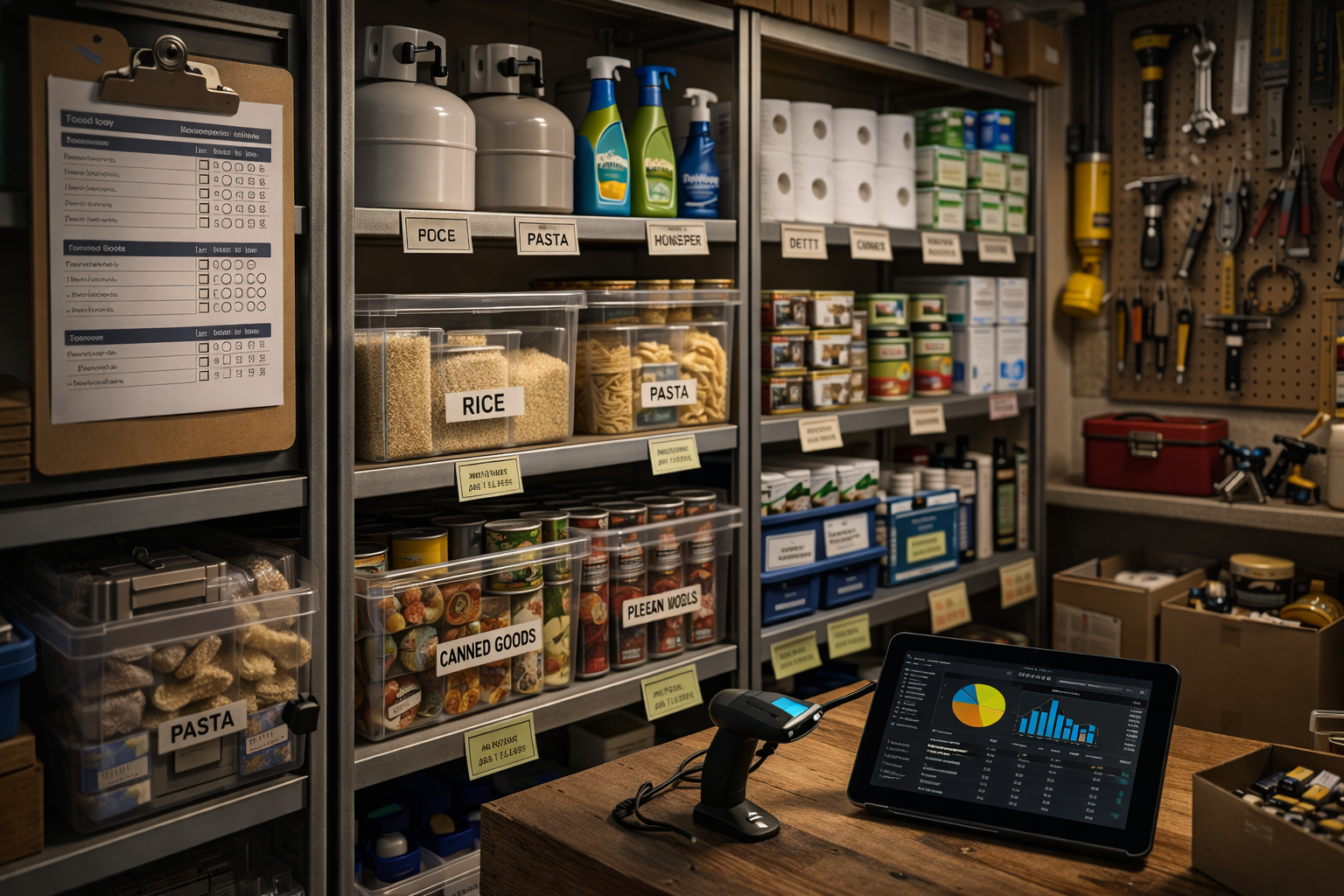
Inventory Management is the science of tracking every resource that enters and exits your domestic environment. In a high-performance home, you are the logistics manager of a small-scale fulfillment center. Most households operate on a “Crisis-Purchase” model, buying items only when they have already run out. This reactive behavior creates unnecessary stress, wasted fuel, and … Ler mais