
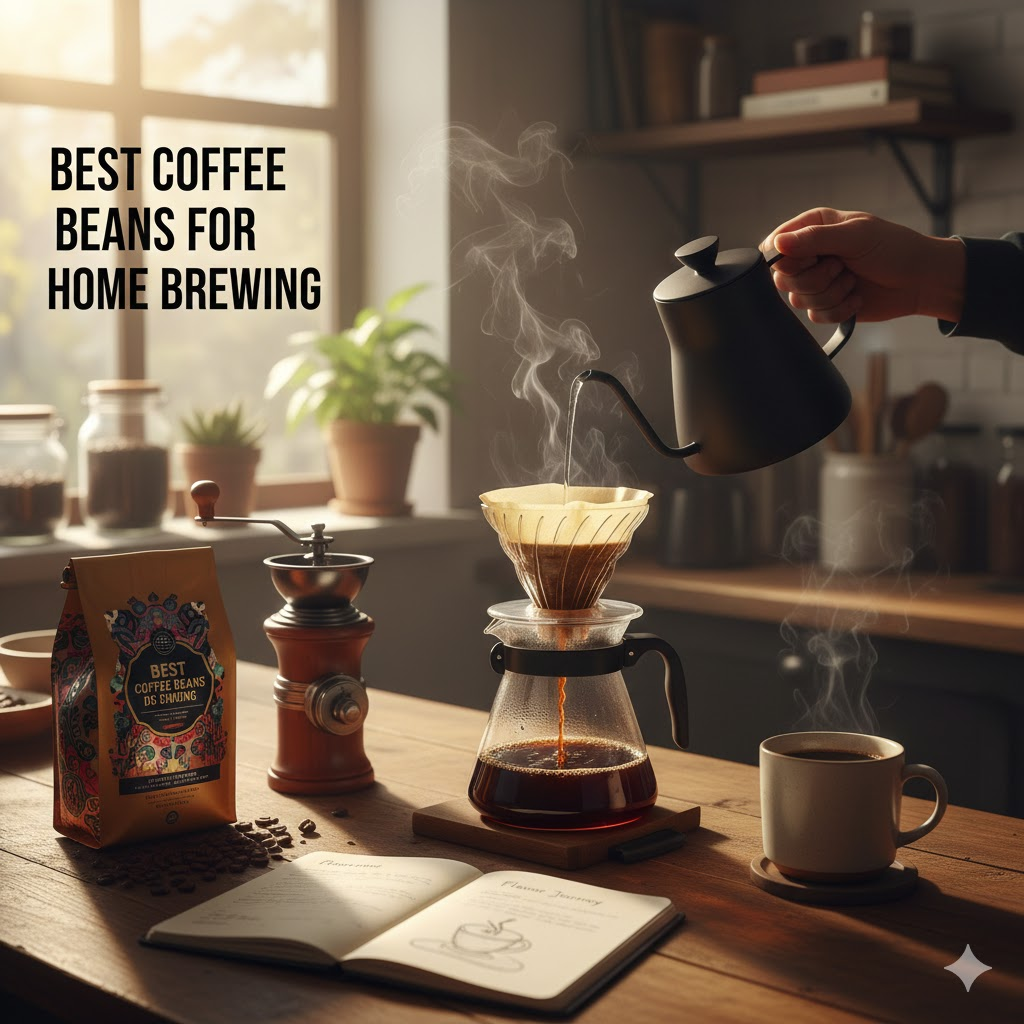
Great coffee at home starts long before water Best Coffee Beans for Home Brewing touches the grounds. It begins with choosing the right coffee beans, understanding their characteristics, and learning how small details influence flavor. Many people invest in expensive machines but overlook the most important element: the coffee itself.
In this guide, you will discover how to choose the best coffee beans for home brewing, why bean type and roast level matter, and how freshness transforms an ordinary cup into a memorable experience. Whether you are a beginner or someone looking to improve your daily routine, this article will help you make better choices with confidence.
By the end, you will understand how to select coffee beans that truly match your taste, your brewing method, and your lifestyle, allowing you to enjoy café-quality coffee without leaving home.
Understanding Coffee Beans and Why They Matter
Coffee beans are not all the same, even though they may look similar at first glance. The variety of the bean affects taste, aroma, caffeine content, and how the coffee behaves during brewing. Understanding this foundation is essential when searching for the best coffee beans for home brewing.
The two most common coffee bean types are Arabica and Robusta. Arabica beans are widely considered higher quality. They grow at higher altitudes, mature slowly, and develop complex flavors. These beans often deliver smooth, slightly sweet cups with notes of fruit, chocolate, or caramel.
Robusta beans are stronger and more bitter. They contain more caffeine and produce a heavier body. Some people enjoy their intensity, especially in espresso-based drinks. However, for most home brewers, pure Robusta can feel overwhelming.
There are also less common varieties like Liberica and Excelsa, which offer unique flavor profiles but are harder to find. These beans are usually enjoyed by enthusiasts who like experimenting beyond traditional options.
Understanding bean types helps prevent disappointment. When you know what each bean offers, you stop guessing and start choosing intentionally.
The Role of Origin in Coffee Flavor
The origin of coffee beans plays a huge role in how they taste. Climate, soil, altitude, and processing methods all influence flavor. When choosing the best coffee beans for home brewing, origin is one of the most exciting aspects to explore.
African coffees, such as those from Ethiopia and Kenya, are known for bright acidity and fruity flavors. Many people describe them as having notes of berries, citrus, or floral aromas. These beans shine in pour-over and drip methods.
South American coffees, especially from Brazil and Colombia, are smoother and more balanced. They often feature chocolate, nutty, or caramel flavors, making them popular for everyday home brewing.
Central American coffees tend to sit between African brightness and South American balance. They often have mild acidity with sweet and clean flavors.
Asian coffees, such as those from Indonesia, are known for earthy, spicy, and full-bodied profiles. They work well for people who enjoy bold and rich cups.
Exploring origin helps you find flavors that match your preferences. It also makes coffee drinking more engaging and enjoyable.
Roast Levels and How They Affect Your Coffee
Roast level dramatically changes how coffee tastes. Even the best coffee beans for home brewing can taste unpleasant if the roast does not suit your preferences or brewing method.
Light roasts highlight the natural flavors of the bean. They have higher acidity and lighter body. These roasts are ideal for people who enjoy nuanced and complex flavors.
Medium roasts offer balance. They maintain some acidity while adding sweetness and body. This roast level is versatile and works well with most brewing methods.
Dark roasts are bold and intense. They have lower acidity and heavier body, with smoky or bittersweet flavors. Some people love their strength, while others find them overpowering.
Understanding roast levels allows you to fine-tune your coffee experience. It also helps avoid bitterness or flat flavors that come from poor roast and brew combinations.
Single-Origin Coffee Versus Blends
When buying coffee, you will often see the terms single-origin and blend. Knowing the difference helps you choose the best coffee beans for home brewing based on your goals.
Single-origin coffee comes from one region or farm. It highlights unique flavors tied to its origin. This option is great for people who enjoy discovering specific taste notes.
Blends combine beans from multiple regions to create a consistent and balanced flavor. They are designed to be reliable and approachable, making them ideal for daily drinking.
Single-origin coffees are great for exploration, while blends offer comfort and consistency. Many home brewers enjoy having both options available.
There is no superior choice. The best option depends on your taste and how adventurous you want to be.
Freshness: The Secret to Better Coffee at Home
Freshness is one of the most overlooked factors in home brewing. Even the best coffee beans for home brewing lose flavor over time.
Coffee beans start losing aroma shortly after roasting. Ideally, you should brew coffee within two to four weeks after the roast date. Buying freshly roasted beans makes a noticeable difference.
Pre-ground coffee loses freshness much faster than whole beans. Grinding coffee just before brewing preserves oils and aromas.
Storage also matters. Coffee should be kept in an airtight container, away from light, heat, and moisture. Avoid storing coffee in the refrigerator.
Fresh beans can elevate even simple brewing methods, turning an average cup into something special.
Grind Size and Its Impact on Flavor
Grind size affects extraction, which directly impacts flavor. Using the wrong grind size can ruin even the best coffee beans for home brewing.
Coarse grinds are best for French press and cold brew. They allow slow extraction without bitterness.
Medium grinds work well for drip coffee makers and pour-over methods. They provide balanced extraction.
Fine grinds are required for espresso. They slow water flow and create pressure.
Using the correct grind size ensures your coffee tastes smooth, rich, and balanced.
Choosing Beans Based on Brewing Method
Different brewing methods highlight different aspects of coffee. Choosing beans that match your equipment improves results.
French press emphasizes body and richness. Medium to dark roasts work well here.
Pour-over methods highlight clarity and aroma. Light to medium roasts shine.
Espresso requires beans that can handle pressure. Medium to dark roasts are popular.
Cold brew works best with medium to dark roasts and coarse grinds.
Matching beans to your method prevents disappointment and enhances flavor.
Flavor Notes and How to Read Coffee Labels
Coffee packaging often includes flavor notes. These descriptions help guide your choice but should not be taken literally.
Flavor notes describe aromas and sensations, not added ingredients. For example, chocolate notes mean the coffee reminds people of chocolate.
Learning to read labels helps you choose coffee with confidence and avoid flavors you dislike.
How to Experiment Without Wasting Money
Exploring coffee does not have to be expensive. Start with small bags and rotate origins or roasts.
Keep notes on what you enjoy. Over time, patterns will emerge, making selection easier.
Local roasters often offer sampler packs, which are perfect for beginners.
Experimenting builds knowledge and appreciation.
Sustainable and Ethical Coffee Choices
Many people care about how coffee is produced. Ethical sourcing supports farmers and improves quality.
Look for certifications like Fair Trade or direct trade relationships.
Sustainable practices often result in better coffee and a better industry.
Common Mistakes Home Brewers Make
Many home brewers blame beans when the real issue is technique.
Using stale beans, incorrect grind size, or dirty equipment can ruin coffee.
Simple adjustments often make a big difference.
Building a Coffee Routine You Enjoy
Coffee should be enjoyable, not stressful. Create a routine that fits your lifestyle.
Consistency helps you learn what works and what does not.
Over time, brewing becomes a relaxing ritual.
How Taste Preferences Change Over Time
Your coffee taste may evolve. What you disliked before may become enjoyable later.
Stay open to change and exploration.
Coffee is a journey, not a destination.
Why There Is No Single Best Coffee Bean
The best coffee beans for home brewing depend on personal taste, brewing method, and mood.
There is no universal answer, only what works for you.
Enjoy the process of discovery.
Conclusion
Choosing the best coffee beans for home brewing is about understanding, experimentation, and enjoyment. From bean types and origins to roast levels and freshness, each choice shapes your coffee experience.
By paying attention to small details and trusting your preferences, you can transform your daily cup into something meaningful. Great coffee at home is not about perfection, but about curiosity and pleasure.

Adam Hulk is a professional barista, sensory analyst, and dedicated coffee educator with over a decade of experience in the specialty coffee industry. His journey began in the high-altitude farms of Colombia, where he spent a year studying the delicate relationship between volcanic soil and bean density.