
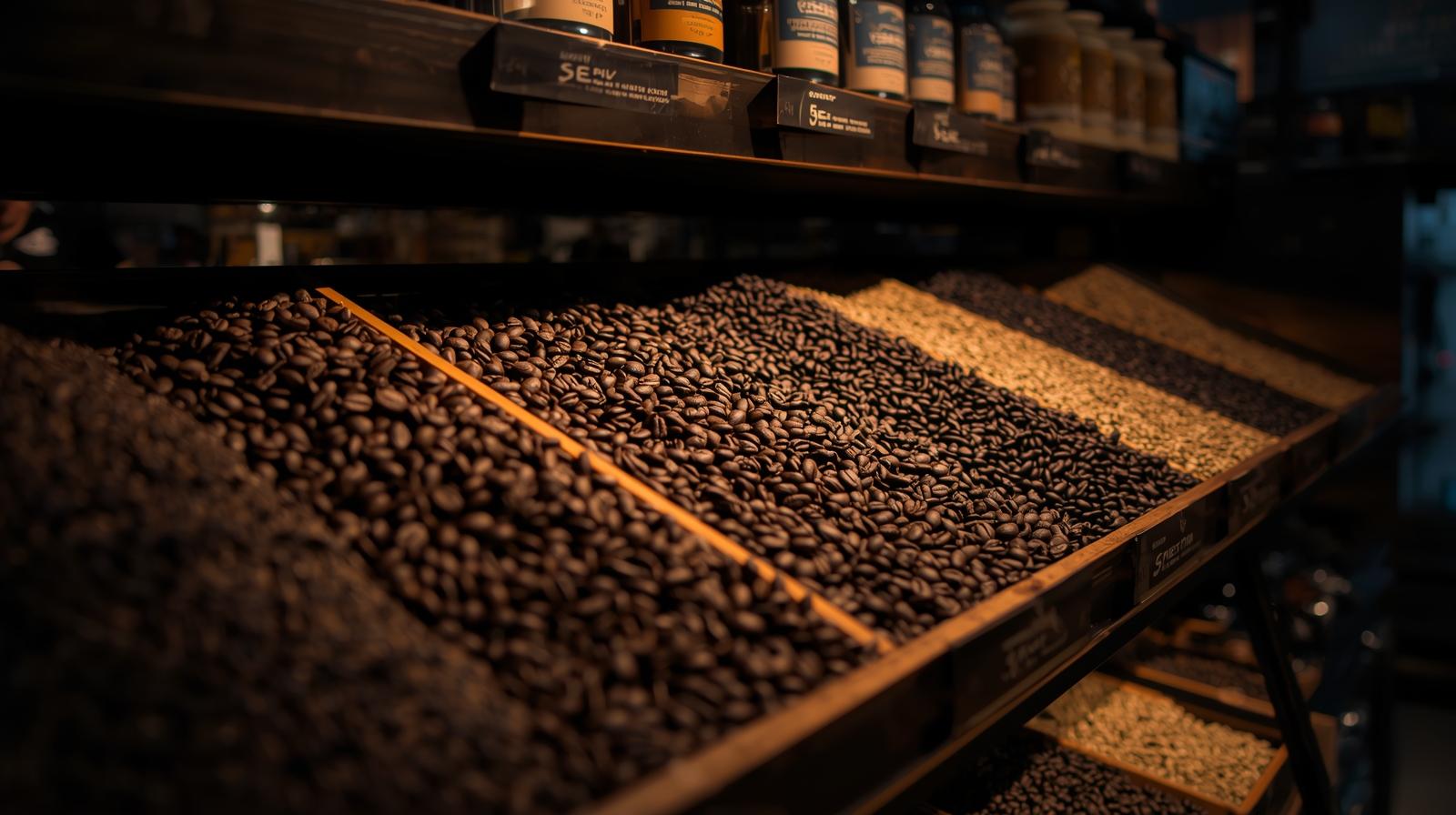
Coffee Shelf Life is a critical factor that every home barista must master to ensure that every morning cup remains vibrant, aromatic, and full of flavor. Therefore, understanding the timeline of how coffee ages allows you to protect your investment in high-quality specialty beans and avoid the disappointment of a stale brew.
Moreover, the environment in which you keep your coffee dictates how quickly the delicate chemical compounds begin to break down after the roasting process. Consequently, you must implement specific storage strategies to preserve the volatile oils and aromatic gases that define the character of your favorite origins.
Furthermore, mastering the basics of freshness transforms your kitchen into a professional-grade coffee station where quality is never compromised by time or neglect. Specifically, we will explore the science behind bean degradation and provide practical tips to keep your coffee tasting as fresh as possible.
In addition, staying informed about storage techniques ensures that you always get the best value and performance from every bag of coffee you purchase. Finally, let us dive into the essential principles of coffee preservation to help you maintain a superior coffee experience at home.
Coffee Shelf Life and Home Roasting Basics
You can exert complete control over your Coffee Shelf Life by learning Home Roasting Basics to manage the exact date your beans are prepared. Specifically, roasting small batches at home ensures that you are always consuming coffee during its peak flavor window, which typically occurs within the first few weeks.
In contrast, store-bought coffee may have spent weeks in transit or on a shelf, significantly reducing its nutritional potency and aromatic complexity before you even open it. Consequently, home roasting is the ultimate strategy for coffee lovers who refuse to compromise on the absolute freshness and integrity of their morning beverage.
Moreover, roasting your own beans allows you to witness the physical changes that occur as coffee matures and begins its natural aging process over time. Therefore, the knowledge you gain from roasting helps you identify exactly when a bean has passed its prime and is no longer suitable for a premium cup.
Finally, the relationship between heat and time is the most important variable you will ever manage in your quest for the perfect, freshest coffee.
The Science of the Oxidation Process
The primary enemy of a long Coffee Shelf Life is the unavoidable Oxidation Process that begins the very second the beans are exposed to the surrounding air. Specifically, oxygen reacts with the delicate lipids and oils within the bean, causing them to turn rancid and lose their vibrant, fruity, or chocolatey characteristics.+1
Moreover, heat and moisture act as catalysts that accelerate this chemical breakdown, leading to a flat and unpleasantly bitter taste in your finished brew. Consequently, you must use airtight containers that minimize the amount of air in contact with your coffee to slow down this inevitable degradation as much as possible.
Furthermore, coffee health and longevity are directly linked to the presence of fresh antioxidants, which are the first compounds to disappear during oxidation. Therefore, protecting your beans from oxygen is not just about flavor; it is about preserving the health-giving properties of the coffee you love so much.
Finally, understanding oxidation empowers you to make smarter storage choices that directly impact the quality and lifespan of your daily coffee supply.
Coffee Shelf Life: Manual vs. Electric Grinders
Your choice between Manual vs. Electric Grinders can indirectly influence the Coffee Shelf Life by affecting how you handle your beans on a daily basis. For instance, manual grinders encourage you to grind only the exact amount you need for a single serving, which is the gold standard for maintaining freshness.
Conversely, some high-speed electric grinders generate heat during the process, which can slightly accelerate the loss of aromatic compounds before the water even hits the grounds. Consequently, using a manual grinder can be a superior way to preserve the integrity of a high-end, rare single-origin coffee that you want to savor.
Moreover, electric grinders often have “retention,” where old, stale grounds from the previous day mix with your fresh coffee, negatively impacting the final flavor profile. Therefore, keeping your grinder clean and using it on-demand is a vital part of managing the overall freshness of your home coffee ritual.
Similarly, both types of grinders require regular maintenance to ensure they are not introducing old, oxidized oils into your fresh morning cup of specialty coffee.
Navigating the Degassing Phase
Every bag of fresh-roasted coffee must undergo a critical Degassing Phase where carbon dioxide escapes from the bean’s internal structure over several days. Specifically, if you brew coffee too soon after roasting, the escaping gases can prevent water from properly penetrating the grounds, leading to an uneven and sour extraction.+1
Moreover, most professional coffee bags include a one-way valve that allows these gases to escape while preventing oxygen from entering and starting the oxidation process early. Consequently, you should typically wait three to seven days after the roast date before you begin brewing your beans for the most balanced results.
Furthermore, Nespresso and other major manufacturers use advanced sealing techniques to manage this phase and preserve the aroma of their coffee for much longer periods. Therefore, understanding the timeline of degassing helps you identify the perfect moment to start enjoying your coffee at its absolute peak of flavor.
Finally, the bloom you see when pouring water over fresh grounds is a direct visual indicator that the degassing process is still active and healthy.
Coffee Shelf Life and Water Quality for Brewing
Maintaining a long Coffee Shelf Life is only useful if you use the correct Water Quality for Brewing to extract those fresh and vibrant flavors. Specifically, hard water with excessive minerals can clash with the delicate acids of fresh coffee, making it taste dull and muddy regardless of how recently it was roasted.
Moreover, chlorine and other impurities in tap water will quickly overshadow the subtle aromatic notes that you worked so hard to preserve through proper storage. Consequently, you should always use filtered or mineral-optimized water to ensure that the true character of your fresh beans is allowed to shine through.
Therefore, the investment you make in high-quality water is just as important as the investment you make in an airtight, UV-protected coffee storage canister. Furthermore, water that is too hot can scorch the fresh oils, while water that is too cool will fail to extract the sugars effectively.
In addition, pure water acts as a transparent window that allows you to see the difference between a fresh bean and one that is past its prime.
Coffee Pods vs. Ground Coffee Longevity
When analyzing Coffee Pods vs. Ground Coffee, the Coffee Shelf Life varies significantly due to the different ways these products are packaged and sealed. Specifically, nitrogen-flushed pods are designed to stay fresh for many months by completely removing oxygen from the internal environment of the small aluminum or plastic capsule.
In contrast, a bag of ground coffee begins to lose its flavor within minutes of being opened because the increased surface area allows oxygen to attack it rapidly. Consequently, pods are a superior choice for those who value long-term stability and convenience over the dynamic flavor profile of freshly ground whole beans.
Moreover, whole bean coffee always offers a longer shelf life than pre-ground coffee because the bean’s outer shell acts as a natural protective barrier against the environment. Therefore, if you prioritize health and flavor, you should always choose whole beans and grind them yourself immediately before you begin the brewing process.
Finally, understanding these differences helps you choose the product that best fits your lifestyle, whether you value ease of use or the highest possible quality.
Understanding The Science of Extraction
To get the most out of your Coffee Shelf Life, you must understand The Science of Extraction and how it interacts with the freshness of your beans. For instance, fresh beans are more “active” and often require a slightly coarser grind or a lower water temperature to achieve a perfectly balanced cup.
Moreover, as coffee ages and loses its gases, it becomes less soluble, which means you might need to adjust your brewing recipe to compensate for the loss of flavor. Consequently, a professional barista is constantly tweaking their variables to account for the subtle changes that happen to the beans every single day.
Therefore, mastering extraction allows you to rescue a bag of coffee that is slightly past its peak by manipulating time, temperature, and agitation for better results. Furthermore, the chemistry of extraction is what ultimately determines whether the fresh notes of your coffee are successfully transferred from the grounds to your mug.
Similarly, understanding how water dissolves the different compounds within the bean helps you avoid the common mistakes of over-extraction or a weak, watery brew.
Brewing Coffee While Traveling and Freshness
Maintaining a consistent Coffee Shelf Life becomes a challenge when Brewing Coffee While Traveling, especially if you are moving between different climates and humidity levels. Specifically, you should carry your beans in small, vacuum-sealed portions to ensure they remain fresh and protected from the stresses of being in a suitcase or a car.
Moreover, travel-friendly grinders allow you to maintain the “grind on-demand” rule, which is the most effective way to ensure a high-quality cup away from home. Consequently, you can enjoy the same level of freshness and complexity on the road as you do in your own kitchen with just a little preparation.
Therefore, investing in a dedicated travel coffee kit is a smart move for any enthusiast who values their daily ritual and refuses to drink stale hotel coffee. Furthermore, being mindful of your storage during transit prevents your expensive specialty beans from being ruined by heat or moisture exposure during your journey.
Finally, sharing a fresh and delicious cup of coffee with others while traveling is a wonderful way to connect and showcase the benefits of high-quality beans.
Coffee Shelf Life and Decaf Coffee Basics
If you are interested in Decaf Coffee Basics, you should know that decaffeinated beans often have a shorter Coffee Shelf Life than regular caffeinated coffee. Specifically, the decaffeination process slightly alters the cellular structure of the bean, making it more porous and more susceptible to the negative effects of oxidation.+1
Moreover, decaf beans often appear darker and oilier than regular beans, which can lead to them turning rancid faster if they are not stored in a very cool, dark place. Consequently, you should buy decaf in smaller quantities and consume it more quickly to ensure you are always experiencing the best possible flavor and aroma.
Therefore, pay extra attention to the roast date on your decaf bags to ensure you are getting a product that has not been sitting in a warehouse for months. In addition, many specialty roasters are now using gentler decaffeination methods that help preserve the bean’s integrity and extend its shelf life for the consumer.
Finally, treating your decaf with the same respect as your regular beans will ensure that your evening cup is just as rewarding and delicious as your morning one.
Espresso Machine Basics and Bean Freshness
Mastering Espresso Machine Basics requires an intimate understanding of how Coffee Shelf Life affects the pressure and flow of water through the coffee puck. For example, very fresh coffee contains so much carbon dioxide that it can cause “channeling,” where water finds a path of least resistance and ruins the shot.
Moreover, coffee that is too old will lack the necessary gases to create a thick, rich crema, resulting in an espresso that looks thin and tastes unpleasantly flat. Consequently, the “sweet spot” for espresso is often narrower than for other methods, usually falling between seven and fourteen days after the roast date.
Therefore, you must learn to adjust your grinder daily to “dial in” your espresso machine as the beans age and their physical properties shift and change. Furthermore, a high-quality espresso machine allows you to see the direct results of your storage efforts through the color and texture of the resulting shot.
Finally, using fresh, properly stored beans is the most important step in achieving professional-level espresso results in your own home or office.
Conclusion
Coffee Shelf Life is the foundation of a high-quality coffee experience, ensuring that every bag of beans you buy reaches its full potential in your favorite cup. Consequently, by protecting your coffee from oxygen, light, and heat, you preserve the incredible labor and craft that went into producing those specialty beans.
Moreover, the combination of proper storage, on-demand grinding, and precise extraction techniques allows you to enjoy a professional-grade beverage every single morning at home. Therefore, do not overlook the importance of a simple airtight container or the value of checking the roast date before you make a purchase.
In addition, staying educated about the science of coffee freshness ensures that you never settle for a mediocre cup of coffee that has lost its soul to time. Similarly, your dedication to freshness is a direct way to honor the farmers and roasters who work tirelessly to provide us with these incredible flavor profiles.
Finally, we hope this guide serves as a practical resource for your continued journey into the wonderful and vast world of specialty coffee and home brewing. By focusing on these basics, you ensure that every sip is a vibrant and rewarding experience that brings you genuine joy and satisfaction.

Adam Hulk is a professional barista, sensory analyst, and dedicated coffee educator with over a decade of experience in the specialty coffee industry. His journey began in the high-altitude farms of Colombia, where he spent a year studying the delicate relationship between volcanic soil and bean density.