
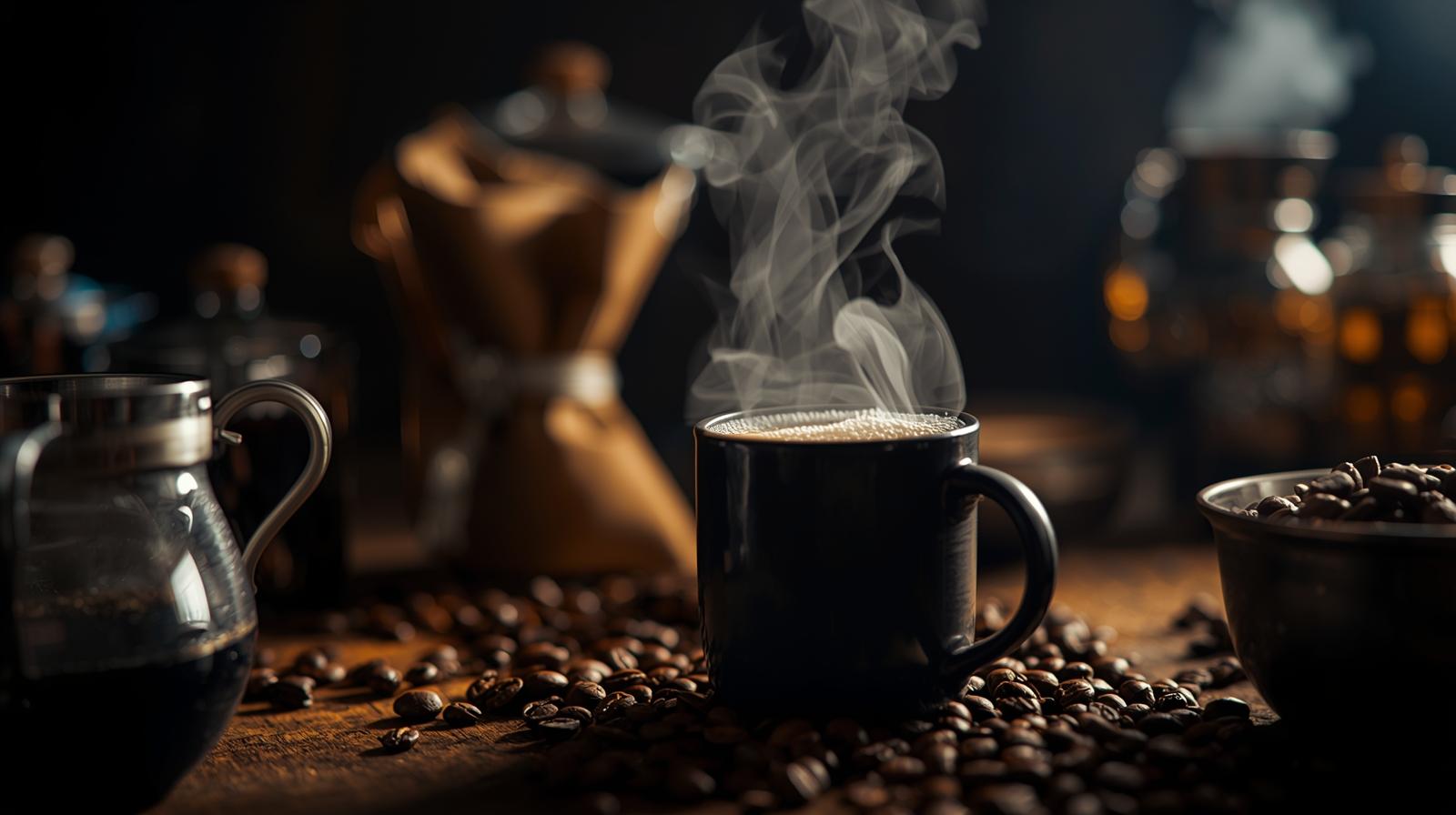
Decaf Coffee Basics are essential for anyone who loves the ritual of coffee but needs to manage their caffeine intake for health, sleep, or personal preference. Therefore, understanding the difference between low-quality commercial decaf and modern specialty options allows you to enjoy a premium experience without any physical compromises.
Moreover, many people believe the myth that decaf is chemically “dirty” or lacks the complexity of regular coffee, but recent innovations have completely transformed the industry. Consequently, you can now find decaf beans that rival the best caffeinated single-origins in terms of aroma, sweetness, and overall cup quality.
Furthermore, the process of removing caffeine is a fascinating intersection of chemistry and craft that requires precision to preserve the bean’s natural integrity. Specifically, we will debunk common misconceptions and reveal the realities of how modern decaffeination supports a healthy, balanced lifestyle.
In addition, choosing the right method is the key to ensuring your coffee remains a natural product full of beneficial antioxidants and minerals. Finally, let us explore the foundational principles that make decaf a sophisticated choice for the modern, health-conscious coffee enthusiast.
Decaf Coffee Basics and Home Roasting Basics
You can master Decaf Coffee Basics by applying Home Roasting Basics to handle the unique challenges that decaffeinated green beans present during the roast. Specifically, the decaffeination process often makes the beans more porous and darker in color even before they enter the roaster, requiring a gentler heat application.
In contrast, regular beans have a more robust internal structure that can withstand aggressive temperature spikes without losing their delicate floral or citrus notes. Consequently, roasting decaf at home gives you the opportunity to tailor the roast profile to highlight the natural sugars and minimize any potential bitterness.
Moreover, fresh-roasted decaf provides a level of aromatic intensity that is often missing from mass-produced, store-bought decaffeinated products. Therefore, taking control of the roasting process is the most effective way to ensure your caffeine-free cup is just as rewarding as any standard brew.
Finally, observing the “first crack” in decaf beans is a vital skill that helps you avoid over-roasting and preserving the vital oils that carry the coffee’s flavor.
The Success of the Swiss Water Process
One of the most important Decaf Coffee Basics is the rise of the Swiss Water Process, which has become the gold standard for high-end specialty coffee. Specifically, this method uses only water, temperature, and time to remove 99.9% of the caffeine without the use of any harsh chemical solvents.
Moreover, the Swiss Water method involves soaking green beans in a flavor-saturated extract that selectively removes caffeine while leaving all the other flavor compounds intact. Consequently, the resulting coffee is essentially indistinguishable from its caffeinated counterpart in blind taste tests conducted by professional cuppers.
Furthermore, this method is environmentally friendly and preserves the natural Antioxidant Properties that contribute to long-term health and wellness. Therefore, looking for the Swiss Water seal on your coffee bag is a guarantee that you are consuming a clean and ethically processed product.
Finally, the popularity of water-processed coffee has forced the entire industry to prioritize quality and transparency for decaf drinkers around the world.
Managing Decaf Coffee and Chemical-Free Decaf
Prioritizing Chemical-Free Decaf is a core part of Decaf Coffee Basics for those who are concerned about the long-term effects of synthetic solvents. Specifically, traditional “European Method” decaf uses methylene chloride, which, while deemed safe by regulators, is a point of concern for many health-conscious consumers today.
Moreover, choosing organic or water-processed options ensures that your daily ritual remains free from any industrial residues that could potentially impact your metabolic health. Consequently, the demand for clean-label products has led to a surge in innovative techniques like the CO2 process, which uses natural carbon dioxide to extract caffeine.
Therefore, you should always check the label of your favorite decaf to understand exactly how the caffeine was removed before the beans were roasted. Furthermore, decaffeinated coffee is increasingly associated with the same longevity benefits as regular coffee, as long as it is processed naturally.
Similarly, staying informed about these methods allows you to make purchasing decisions that align with your personal health values and environmental ethics.
The Reality of Coffee Shelf Life
Understanding Coffee Shelf Life is arguably more important for decaf drinkers because these beans tend to age faster than regular caffeinated coffee. Specifically, the structural changes that occur during decaffeination make the beans more susceptible to the Oxidation Process, which can lead to staleness in a shorter period.
Moreover, once a bag of decaf is opened, the aromatic compounds escape more rapidly, which is why buying in smaller quantities is a professional recommendation. Consequently, following strict storage rules—using airtight containers in a cool, dark place—is essential for maintaining the sweetness and body of your decaf.
Furthermore, coffee shelf life remains a critical variable that dictates whether your morning cup will be vibrant or disappointingly flat. Therefore, you should always treat your decaf with the same (or more) care as your regular beans to ensure a consistently high-quality experience.
Finally, grinding your decaf on-demand is the single most effective way to protect its delicate flavor profile from the damaging effects of the air.
Decaf Coffee Basics: Manual vs. Electric Grinders
When applying Decaf Coffee Basics, the choice between Manual vs. Electric Grinders can impact the texture and extraction of your caffeine-free brew. For instance, decaf beans are often more brittle than regular beans, which can lead to more “fines” or dust-like particles during the grinding process.
Moreover, a high-quality manual burr grinder allows you to make micro-adjustments to account for this brittleness, ensuring a more uniform particle size for better clarity. Consequently, many enthusiasts prefer the tactile feedback of a manual grinder when working with delicate, water-processed decaf beans.
Therefore, you should focus on grinders that offer consistent performance to avoid the muddy flavors that come from an uneven grind distribution. Furthermore, electric grinders with static issues can be more problematic with decaf, as the oils and chaff tend to behave differently than in regular coffee.
In addition, keeping your grinder clean of old decaf oils is a professional habit that prevents cross-contamination and off-flavors in your future cups.
Mastering the Science of Extraction for Decaf
Understanding The Science of Extraction is vital because decaf coffee often dissolves faster in hot water than regular caffeinated coffee. Specifically, because the beans are more porous, you may need to use slightly cooler water or a coarser grind to avoid the bitterness of over-extraction.
Moreover, paying attention to the “bloom” during a pour-over reveals how much gas remains in the bean and how effectively the water is penetrating the grounds. Consequently, mastering these variables allows you to produce a decaf cup that has a rich, creamy body and a balanced acidity that many people think is impossible.
Therefore, you should experiment with different brew ratios to find the “sweet spot” where the unique characteristics of the decaf origin are most prominent. Furthermore, the goal of extraction is to pull out the sugars and aromatics while leaving behind the astringent compounds that can ruin a cup.
Finally, a professional approach to extraction transforms decaf from a compromise into a highlight of your daily coffee journey.
Decaf Coffee Basics: Myths of Flavor Loss
A common myth in Decaf Coffee Basics is that the decaffeination process inevitably “strips” the coffee of its soul and flavor. Specifically, while early methods were indeed harsh, modern technology is designed to be highly selective, targeting only the caffeine molecules while ignoring the sugars and acids.
Moreover, some of the most famous coffee roasters in the world now offer decaf options that are so flavorful they are used in international brewing competitions. Consequently, the reality is that poor-tasting decaf is usually the result of using low-quality “filler” beans rather than a flaw in the decaffeination process itself.
Therefore, if you want a great decaf, you must start with a great green bean that has been sourced with the same care as any other specialty coffee. Furthermore, the complexity of a high-quality decaf can actually be more impressive because it relies entirely on the bean’s genetics rather than the stimulant effect.
In addition, many drinkers find that they can appreciate the subtle notes of a coffee more clearly when they are not distracted by a massive caffeine jolt.
Managing Coffee and Caffeine Sensitivity
For many, Decaf Coffee Basics are a necessity due to Coffee and Caffeine Sensitivity, which can cause heart palpitations, anxiety, or disrupted sleep patterns. Specifically, as we age, our bodies often become less efficient at metabolizing caffeine, making a switch to decaf a smart choice for maintaining long-term wellness.
Moreover, drinking decaf allows you to enjoy the social and sensory aspects of coffee at any time of the day or night without any negative consequences. Consequently, many coffee lovers adopt a “half-caf” strategy, mixing regular and decaf beans to find a level of stimulation that works for their unique biology.
Therefore, decaf is not an “all or nothing” choice, but rather a flexible tool that helps you manage your energy levels and overall health more effectively. Furthermore, the ritual of brewing a cup of decaf in the evening can be a deeply relaxing experience that signals to your body that it is time to wind down.
Finally, taking control of your caffeine intake is a professional way to ensure your relationship with coffee remains purely positive and beneficial.
Conclusion
Decaf Coffee Basics: Myths and Realities shows that we are living in a golden age for caffeine-free coffee, where quality and health are no longer mutually exclusive. Consequently, by choosing chemical-free methods like the Swiss Water Process and focusing on freshness, you can enjoy all the Coffee Health Benefits without the side effects of caffeine.
Moreover, the evolution of decaf from a “second-class” beverage to a specialty highlight is a testament to the innovation and passion of the global coffee community. Therefore, we encourage you to revisit decaf with an open mind and a focus on high-quality sourcing and storage.
In addition, staying educated about the science of decaffeination ensures that you are providing your body with a clean, natural, and incredibly flavorful drink every day. Similarly, your choice to drink decaf is a sophisticated way to prioritize your well-being while still honoring the craft of specialty coffee.
Finally, we hope this guide empowers you to explore the vast world of decaf with confidence and curiosity. By focusing on these basics, you ensure that every cup—caffeinated or not—is a masterpiece of flavor and a true investment in your health.

Adam Hulk is a professional barista, sensory analyst, and dedicated coffee educator with over a decade of experience in the specialty coffee industry. His journey began in the high-altitude farms of Colombia, where he spent a year studying the delicate relationship between volcanic soil and bean density.