
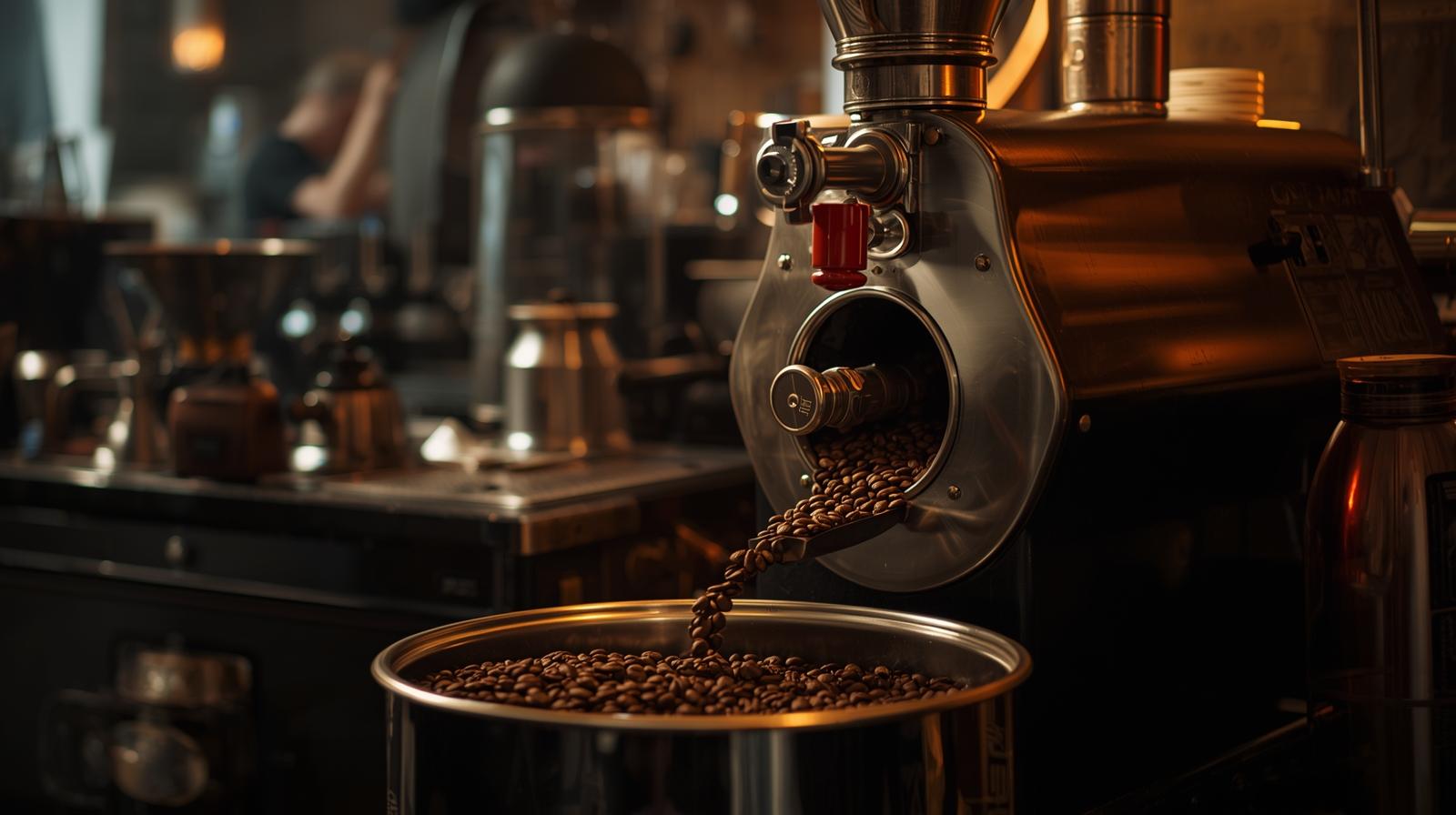
Home Roasting Basics represent the ultimate step in a coffee lover’s journey toward total flavor independence and sensory mastery. Therefore, taking control of the roasting process allows you to bridge the gap between raw agricultural products and the refined beverage you enjoy every single morning.
Moreover, roasting at home ensures that you are consistently working with the freshest possible beans, which is the single most important factor in coffee quality. Consequently, you can experiment with different roast levels to find the exact profile that highlights the hidden notes of your favorite global origins.
Furthermore, the process is much more accessible than most beginners realize, requiring only a few essential tools and a willingness to learn through observation. Specifically, we will cover the equipment you need and the professional tips that will help you avoid common mistakes during your first few batches.
In addition, understanding the science of heat application transforms a simple kitchen task into a fascinating exploration of chemistry and craft. Finally, let us dive into the fundamental principles that will help you start your home roasting adventure with confidence and success.
Home Roasting Basics and Decaf Coffee Basics
You can apply Home Roasting Basics to various bean types, including those covered in decaf coffee basics, to ensure your caffeine-free options are just as fresh. Specifically, decaf beans often roast faster and appear darker sooner than regular beans due to the changes in their cellular structure during decaffeination.
In contrast, regular green beans require a more aggressive heat application to reach the same level of development and color. Consequently, roasting your own decaf allows you to preserve the delicate sugars that are often lost in over-processed commercial decaf products found in supermarkets.
Moreover, the experience of roasting different varieties helps you develop a professional “eye” for bean density and moisture content. Therefore, mastering the basics of heat control is essential for anyone who wants to enjoy a diverse range of high-quality coffees at home.
Finally, the ability to roast small, fresh batches ensures that your decaf remains vibrant and aromatic for a much longer period of time.
Mastering Different Roast Profiles
One of the most exciting Home Roasting Basics is the ability to create custom Roast Profiles that cater specifically to your personal palate and brewing method. For instance, a light roast might be perfect for highlighting the floral acidity of an Ethiopian bean, while a darker roast brings out the smoky sweetness of a Sumatran.
Moreover, the profile you choose determines how the acids, sugars, and oils interact during the final seconds of the roasting cycle. Consequently, keeping a roasting log is a professional habit that allows you to replicate your most successful batches with incredible precision.
Furthermore, Sweet Maria’s provides extensive resources on how to map these profiles based on the specific equipment you are using in your kitchen. Therefore, you should experiment with varying your “charge” temperature and development time to see how they impact the final complexity of the cup.
Finally, a well-defined roast profile is the signature of a home roaster who has successfully transitioned from a beginner to an expert.
Home Roasting Basics: Manual vs. Electric Grinders
Even when you master Home Roasting Basics, your choice between Manual vs. Electric Grinders remains a critical factor in the final quality of your brew. Specifically, fresh-roasted beans are often more brittle and require a precise grind to avoid over-extracting the delicate oils you worked so hard to develop.
In contrast, older beans can be more elastic, leading to a different particle distribution that can affect the flow rate of your espresso or pour-over. Consequently, having a grinder that can handle the varying densities of your home-roasted batches is essential for a professional and consistent result.
Moreover, manual grinders are excellent for small batches, allowing you to feel the resistance of the bean and judge its quality firsthand. Therefore, you should invest in a high-quality burr grinder that complements your new roasting skills and ensures every cup is a true reflection of your craft.
Furthermore, a consistent grind size is the only way to accurately evaluate the success of your different roast levels during a tasting session.
The Importance of the First Crack
In the world of Home Roasting Basics, identifying the First Crack is the most important milestone for determining the flavor and roast level of your beans. Specifically, this audible sound occurs when the internal moisture of the bean turns to steam and breaks the cellular walls, similar to the sound of popcorn popping.
Moreover, the first crack signals that the coffee has officially moved from the drying phase into the development phase where the sugars begin to caramelize. Consequently, many specialty coffee lovers choose to end the roast shortly after this point to preserve the bright, origin-specific characteristics of the bean.
Furthermore, understanding the timing between the start of the first crack and the end of the roast is the key to mastering medium roast styles. Therefore, you should always listen closely and maintain focus during this critical stage to ensure you don’t accidentally push the beans into a bitter or charred territory.
Finally, the first crack is the moment where the green seed officially becomes the flavorful coffee bean we recognize and love.
Managing Coffee Shelf Life After Roasting
Mastering Home Roasting Basics helps you manage Coffee Shelf Life more effectively because you control exactly when the clock starts on your beans’ freshness. Specifically, home-roasted coffee needs a period of rest to allow carbon dioxide to escape, a process often referred to as the degassing phase.
In contrast, commercial coffee may be long past its peak degassing window by the time you buy it, leading to a flat and stale experience. Consequently, roasting at home allows you to hit the “sweet spot” of flavor, which usually occurs between three and ten days after the roast date.
Moreover, you should store your fresh roasts in airtight, opaque containers to protect them from the twin enemies of freshness: oxygen and light. Therefore, your roasting schedule should be planned around your consumption to ensure you are never without a fresh, vibrant supply of specialty coffee.
Finally, the ability to roast on-demand is the ultimate solution to the problem of stale, uninspiring coffee in your daily life.
The Science of the Oxidation Process
One of the vital Home Roasting Basics is understanding how the Oxidation Process impacts your beans the moment they leave the roaster. Specifically, as the beans cool, they become highly susceptible to oxygen, which begins to break down the volatile aromatic compounds and healthy antioxidants.
Moreover, the heat from the roasting process makes the beans more porous, which can actually speed up oxidation if they are not stored correctly. Consequently, rapid cooling after the roast is a professional technique used to lock in the flavors and stop the internal cooking process immediately.
Furthermore, the oxidation of oils is what leads to the “rancid” smell sometimes found in old, poorly stored coffee from large industrial producers. Therefore, your home roasting setup should include a way to cool the beans quickly, such as a colander or a dedicated cooling fan system.
Finally, understanding the chemistry of air exposure will help you maintain the professional quality of your home-roasted beans for as long as possible.
Water Quality for Brewing Home-Roasted Beans
To truly appreciate the nuances of your Home Roasting Basics, you must ensure that your Water Quality for Brewing is of the highest professional standard. Specifically, the delicate floral and fruity notes you worked to preserve in a light roast can be easily masked by the heavy minerals found in unfiltered tap water.
Moreover, water that is too soft or too hard will fail to extract the balanced sweetness that characterizes a perfectly roasted coffee bean. Consequently, using a specialized water filter or mineral packets allows you to experience the true results of your roasting efforts without any outside interference.
Therefore, you should view water as a critical ingredient that works in partnership with your roasting and grinding skills to create a memorable cup. Furthermore, consistent water quality allows you to accurately compare different batches and origins as you refine your roasting techniques.
In addition, the right water temperature ensures that the sugars you caramelized during the roast are successfully dissolved into your final beverage.
The Science of Extraction and Roast Level
The Science of Extraction varies significantly depending on the roast level you achieve using your Home Roasting Basics knowledge. For instance, lighter roasts are less porous and require more energy—higher temperatures and finer grinds—to extract their full range of flavors.
Conversely, darker roasts are much more soluble and can easily become bitter if the water is too hot or the contact time is too long. Consequently, you must be prepared to adjust your brewing recipes every time you change your roast profile to maintain a perfectly balanced extraction.
Moreover, understanding how density changes during the roast helps you predict how a bean will behave when it meets the water in your brewer. Therefore, mastering the relationship between roast and extraction is the final step in becoming a truly expert home barista and roaster.
Finally, the science of coffee is a continuous loop of roasting, brewing, and tasting that leads to ever-improving results in every cup.
Home Roasting Basics: Equipment Selection
Selecting the right gear is a fundamental part of Home Roasting Basics, ranging from simple DIY methods to sophisticated electric countertop machines. Specifically, beginners often start with a simple air popcorn popper, which is an inexpensive way to learn the sounds and smells of the roasting process.
In contrast, dedicated home roasters offer more control over temperature and airflow, allowing for more consistent and professional-grade results across larger batches. Consequently, your choice of equipment should reflect your budget, your desire for control, and the volume of coffee you consume on a weekly basis.
Moreover, you must consider the ventilation in your roasting area, as the process produces smoke and “chaff” (the thin skin of the bean) that can be messy. Therefore, setting up a safe and efficient roasting station is a mandatory step before you begin working with your first bag of green beans.
Furthermore, having a digital thermometer or a timer allows you to track the progress of the roast and ensure you are hitting your targets consistently.
Brewing Coffee While Traveling with Your Roast
When you master Home Roasting Basics, you can enjoy the ultimate luxury of Brewing Coffee While Traveling with your own custom-roasted specialty beans. Specifically, taking your own roast on the road ensures that you maintain a high standard of quality even in remote locations or unfamiliar cities.
Moreover, travel-friendly equipment like the AeroPress is perfect for highlighting the unique characteristics of a fresh, home-roasted single-origin coffee. Consequently, you can showcase your roasting skills to friends and family wherever you go, turning every trip into a shared coffee experience.
Therefore, you should always pack your home-roasted beans in small, vacuum-sealed bags to preserve their freshness and aroma during transit. In addition, travel brewing allows you to see how your roasts perform in different water conditions and environments around the world.
Finally, the ability to bring a piece of your home craft with you makes any journey more enjoyable and comforting for a true coffee lover.
Conclusion
Home Roasting Basics: Equipment and Tips is the gateway to a deeper, more rewarding relationship with the world’s most popular beverage. Consequently, by taking control of the roast, you ensure that every cup you drink is a fresh, vibrant, and personalized expression of your unique taste and skill.
Moreover, the combination of the right equipment and a professional understanding of the roasting process allows you to compete with the best cafes in the world. Therefore, do not be afraid to experiment, make mistakes, and learn from every batch of green beans that you transform in your kitchen.
In addition, staying connected to the home roasting community ensures that you are always learning new techniques and discovering exciting new origins from the bean belt. Similarly, your dedication to the craft of roasting is a powerful way to honor the hard work of the farmers who produced the raw seeds.
Finally, we hope this guide has inspired you to take the leap into the fascinating world of home coffee roasting. By focusing on these basics, you ensure that every sip is a testament to your passion for quality and your commitment to excellence in the cup.

Adam Hulk is a professional barista, sensory analyst, and dedicated coffee educator with over a decade of experience in the specialty coffee industry. His journey began in the high-altitude farms of Colombia, where he spent a year studying the delicate relationship between volcanic soil and bean density.