
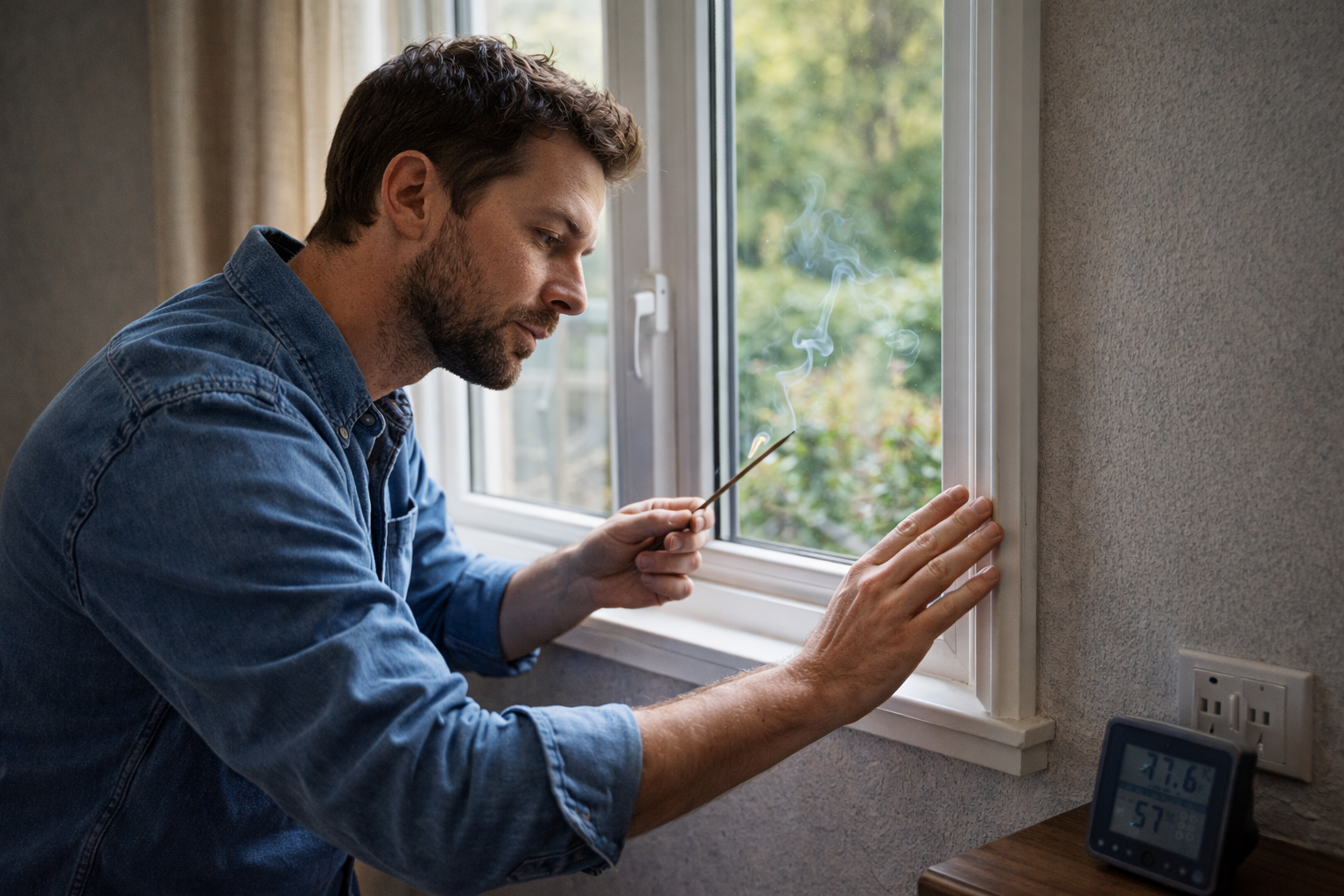
Thermal integrity is the invisible layer that determines the efficiency of every other home system. You can have the best solar panels and the most efficient HVAC. If your “envelope” is leaking, you are pouring money into the atmosphere. Most people wait for a massive energy bill to realize they have a problem. A proactive home manager audits the thermal boundaries of their space regularly. This does not require a $5,000 infrared camera. It requires a logical, sensory-based approach to air pressure and heat transfer. This article provides the framework for a DIY thermal audit to secure your home’s energy borders.
Why Heat Is a Fluid Logic
Heat behaves like water. It flows from high concentration to low concentration. It seeks the path of least resistance. Your job is to create resistance (insulation) and block the paths (sealing).
The Concept of the “Building Envelope”
The envelope is the physical barrier between “in” and “out.” Walls, roof, windows, and the floor. Any break in this envelope is a systemic failure. Treat your home like a pressurized cabin.
Why the “Incense Stick” Is Your Best Diagnostic Tool
Air leaks are often too small to see but large enough to feel. Light an incense stick and move it slowly along window frames and door sills. If the smoke dances or disappears, you found a leak. Visualizing air flow is the first step to stopping it.
The Logic of the “Blower Door” Hack
Close all windows and doors. Turn on every exhaust fan in the house (bathroom, kitchen). This creates a slight negative pressure inside. Walk around and feel for “cold jets” of air entering. The house will “tell” you where the holes are.
Mapping the “Stack Effect”
Warm air rises. It escapes through the attic or top-floor ceilings. This creates a vacuum that pulls cold air in through the basement. Insulating the top is often more important than the sides. Control the vertical flow first.
Why Your Electrical Outlets Are Leaking Heat
Outlets on exterior walls are often uninsulated gaps in the wall cavity. Small foam gaskets behind the faceplates are a 50-cent fix. A hundred small leaks equal one open window. Systemic sealing requires attention to the microscopic.
The Role of Thermal Bridges in Structural Loss
A thermal bridge is a material that conducts heat better than the surrounding insulation. Metal window frames or concrete beams are common bridges. Identify these “cold spots” by touch during a winter night. Bridges must be broken with thermal breaks.
Why You Should Audit Your Windows at Night
During the day, solar gain masks the truth. At night, the temperature differential is highest. Use the back of your hand to feel the glass. If it feels like ice, your “double glazing” might have a failed seal.
The Importance of Attic Hatch Sealing
The attic door is often a giant hole in your thermal envelope. It is rarely insulated or weather-stripped. This is where 20% of your heat goes in winter. Seal the hatch to lock the system.
Why Insulation Settles Over Time
Fiberglass and cellulose are not permanent. Gravity and moisture cause them to compress. An audit must include a “depth check” in the attic. If you can see the wooden joists, you don’t have enough.
The Logic of Window Treatments as Thermal Valves
Curtains are not just for privacy; they are adjustable insulation. Heavy, floor-length drapes create a “dead air” pocket. Open them in the sun; close them in the dark. Manage the valves to balance the system.
Why “Dead Air” Is the Best Insulator
Insulation works by trapping air so it cannot move. The material itself (glass, plastic, wool) is just the container for the air. If the insulation is wet or squashed, it loses its “dead air” and fails. Protect the air pockets.
The Hidden Impact of Recessed Lighting
“Can” lights often poke holes directly into the attic. They act like chimneys for your expensive warm air. Use airtight, insulation-contact (IC) rated covers. Don’t let your lighting destroy your heating.
Why You Should Check the “Sill Plate”
The area where the house frame meets the foundation is a major leak point. In the basement or crawlspace, look for light or feel for drafts here. Expanding foam is the logical weapon for this border.
The Role of Humidity in Thermal Perception
Dry air feels colder than moist air. However, too much humidity causes condensation on cold spots. Condensation leads to rot and mold. A thermal audit must be paired with a humidity check.
Why Draft Stoppers (Door Snakes) Are Not Enough
They only fix the floor. The sides and top of the door still leak. Use permanent weather-stripping for a systemic solution. Temporary fixes are not architectural.
The Difference Between Bulk Insulation and Radiant Barriers
Bulk insulation stops conduction. Radiant barriers (shiny foil) stop radiation from the sun. In hot climates, the barrier is the priority. In cold climates, the bulk is the priority. Know your climate logic.
Why Your Chimney Is a Giant Straw
If you have a fireplace you don’t use, it’s sucking the air out of your house. Use a “chimney balloon” or a permanent cap. Close the largest hole in the system.
The Psychology of “Thermal Comfort”
Comfort is not just a temperature on a dial. It’s the absence of drafts and cold surfaces. A well-insulated home feels “solid.” Invest in the feeling of stability.
Why DIY Audits Should Be Done Twice a Year
One in the deep heat of summer. One in the deep cold of winter. The system behaves differently under different pressures.
The Impact of Landscaping on Thermal Integrity
Trees provide shade (cooling). Hedges break the wind (heating). Your garden is the first line of defense for your envelope. Integrate the exterior with the interior logic.
Why Success Is Measured in “HVAC Silence”
If your heater or AC is constantly running, your envelope is failing. The goal is a house that holds its temperature for hours. Silence is a metric of efficiency.
Teaching the Family to “Respect the Envelope”
Closing doors quickly. Not leaving windows cracked. The users must support the architecture.
The Relationship Between Insulation and Noise
A well-sealed house is a quiet house. If you can hear the street, you are losing heat. Acoustic logic follows thermal logic.
Why You Should Document Every Fix
Where did you spray foam? What R-value did you add? Keep a “Thermal Map” for future owners or repairs.
The Long-Term Payoff of a Tight House
Lower bills are the obvious result. The hidden result is the longevity of the structure. Dry, stable temperatures prevent building decay.
Frequently Asked Questions
- Is spray foam safe? Yes, if applied correctly and allowed to cure.
- How much insulation do I need? Check the “Zone Map” for your specific region.
- Can a house be “too tight”? Yes, it needs controlled ventilation (ERVs) to breathe.
- What is the cheapest fix? Caulking and weather-stripping around doors and windows.
The Structural Rule of Thermal Integrity
Energy efficiency without a sealed envelope is just an expensive way to heat the outdoors. Seal the leaks, then upgrade the gear.

Adam Hulk is a professional barista, sensory analyst, and dedicated coffee educator with over a decade of experience in the specialty coffee industry. His journey began in the high-altitude farms of Colombia, where he spent a year studying the delicate relationship between volcanic soil and bean density.