
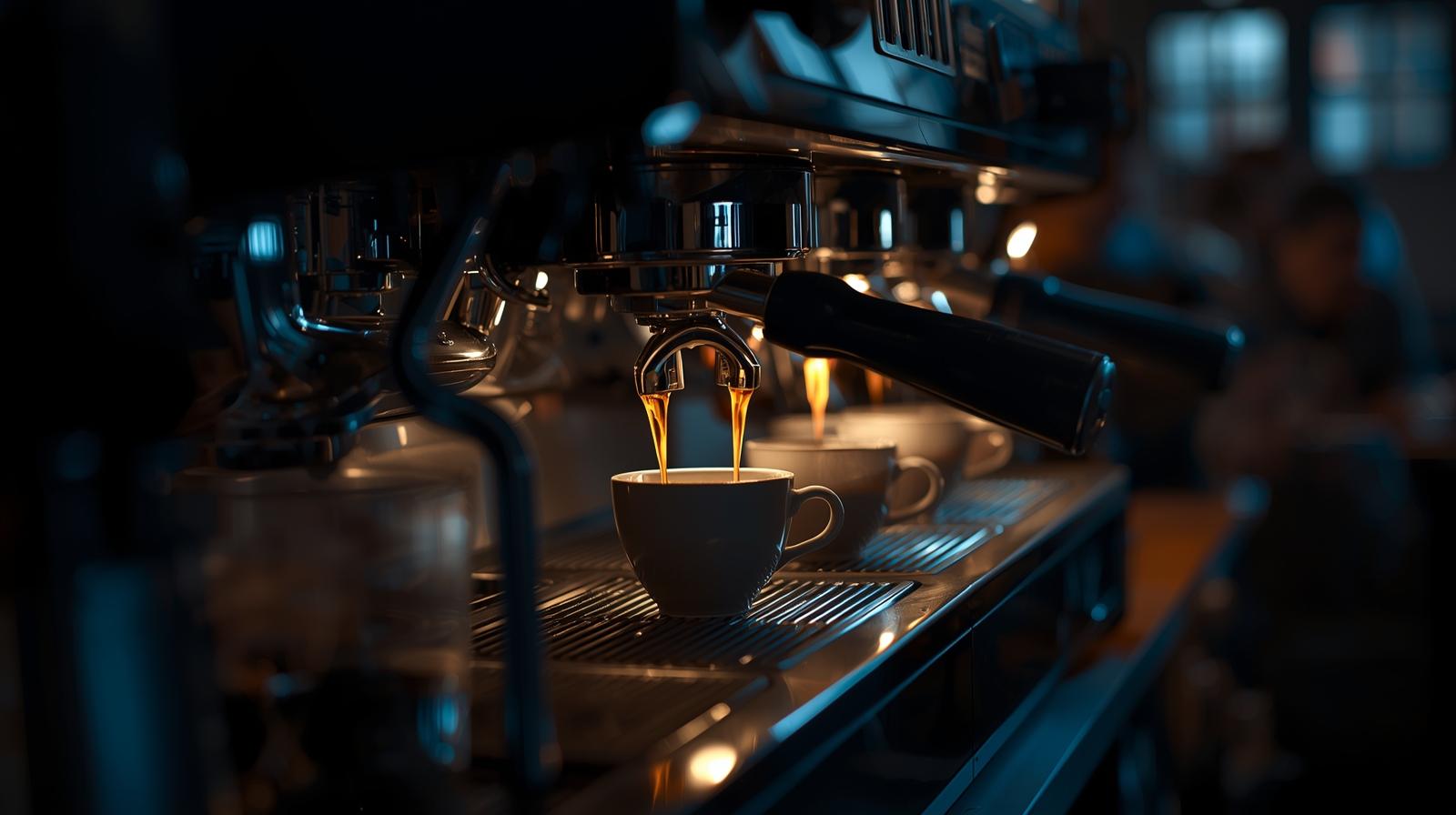
Brewing Methods represent the essential foundation of any great cup of coffee and dictate the final flavor profile you enjoy every morning. Therefore, understanding the nuances of how water interacts with ground beans allows you to elevate your home barista skills significantly.
Moreover, choosing the right technique transforms a simple caffeine fix into a sophisticated sensory experience that rivals any professional cafe. You must consider several variables like temperature, time, and equipment to achieve the perfect extraction consistently.
Furthermore, mastering these basics ensures that you never waste high-quality beans on a mediocre brew again. Specifically, this guide explores the technical and practical aspects of various preparation styles to help you find your ideal match.
In addition, we will look at how small adjustments to your routine create massive improvements in clarity and body. Finally, let us dive into the world of coffee science to refine your daily ritual and boost your brewing confidence.
Brewing Methods for Different Coffee Bean Types
You should always select specific Brewing Methods that complement the inherent characteristics of your chosen Coffee Bean Types for the best results. For instance, delicate Arabica beans often shine in pour-over setups where their floral notes can truly breathe and expand.
On the other hand, robust blends might perform better in high-pressure environments like espresso machines to highlight their intense and bold nature. Consequently, matching the bean to the method prevents the loss of subtle flavors during the intense extraction process.
You must experiment with different origins to see how specific gear brings out unique chocolatey or fruity undertones. Similarly, certain methods can mask the bitterness of lower-quality beans if you adjust your technique carefully.
Moreover, professional roasters often recommend specific equipment based on the bean’s density and processing method. Therefore, your choice of bean should always dictate the initial direction of your brewing strategy for maximum flavor impact.
Matching Roast Levels to Your Brewing Routine
Choosing the right fresh roasted coffee ensures that your Roast Levels harmonize perfectly with the equipment you use every single morning. Specifically, light roasts require higher water temperatures and longer contact times to extract their complex acidity and bright notes.
In contrast, dark roasts are much more soluble and can easily become overly bitter if you use boiling water. Consequently, you should lower your temperature when working with oily, dark beans to maintain a smooth and pleasant mouthfeel.
Moreover, medium roasts offer the most versatility and generally perform well across almost every common brewing device available today. Therefore, understanding the roast degree helps you avoid common mistakes like over-extraction or a sour, under-developed cup.
Furthermore, you should always check the roast date to ensure your beans still possess their peak aromatic compounds. Finally, a balanced approach to roasting and brewing will consistently yield a professional-grade result in your own kitchen.
Best Brewing Methods Based on Grind Size
The effectiveness of various Brewing Methods depends heavily on your Grind Size because it controls the total surface area exposed to water. For example, a coarse grind works best for immersion techniques like the French Press to prevent a muddy or gritty texture.
Conversely, you must use a fine, powdery grind for espresso to create the necessary resistance for high-pressure water flow. Consequently, failing to match the grind to the method leads to either a watery, sour mess or a harsh, bitter drink.
Moreover, a consistent burr grinder is the most important tool you can own to ensure every particle is the same size. Similarly, medium-fine grinds are ideal for AeroPress or Moka pots where the contact time is relatively short.
Therefore, you should always adjust your grinder settings whenever you switch between different coffee makers or brewing styles. In addition, small tweaks to the grind can fix a brew that tastes just a little bit off.
Mastering the Perfect Water-to-Coffee Ratio
Precision is the key to success when you are trying to master the ideal Water-to-Coffee Ratio for your favorite morning beverage. For instance, the “Golden Ratio” usually suggests using one gram of coffee for every sixteen or seventeen grams of water.
However, you can easily adjust this proportion to create a stronger or lighter body depending on your personal taste preferences. Consequently, using a digital scale is the only way to guarantee that your recipe remains consistent every time you brew.
Moreover, even a slight variation in the amount of water can significantly alter the balance between sweetness and acidity. Therefore, you should record your favorite ratios in a notebook to replicate your best results without any guesswork.
Furthermore, different methods might require specific ratios, such as a 1:2 ratio for a concentrated espresso shot. Finally, mastering this simple mathematical relationship is the fastest way to improve your coffee quality at home.
Popular Brewing Methods: Espresso vs. Drip Coffee
When comparing Brewing Methods, the debate between Espresso vs. Drip Coffee highlights two completely different approaches to caffeine and flavor. Specifically, espresso uses high pressure to force water through a compact puck of coffee in a very short time.
In contrast, drip coffee relies on gravity to pull water through a filter, resulting in a cleaner and lighter body. Consequently, espresso provides a concentrated punch of flavor and crema, while drip coffee allows for a longer, more contemplative drinking experience.
Moreover, drip machines are perfect for serving large groups of people with minimal effort and consistent quality. Similarly, espresso serves as the vital base for many popular milk-based drinks like lattes, cappuccinos, and flat whites.
Therefore, your choice between these two giants depends on whether you prefer intensity or a smooth, clear cup. Furthermore, both styles offer unique benefits that cater to different times of the day or personal moods.
How to Enhance Tasting Notes in Every Cup
You can significantly enhance the unique Tasting Notes in your coffee by following guidelines from the Specialty Coffee Association regarding water quality. For example, using filtered water removes impurities like chlorine that can mask the delicate citrus or floral notes in high-end beans.
Moreover, the temperature of your water should stay between 195 and 205 degrees Fahrenheit to extract the best flavors. Consequently, water that is too cold will leave your coffee tasting flat and unpleasantly sour.
In addition, cleaning your equipment regularly prevents old oils from tainting the fresh flavors of your new coffee beans. Therefore, a clean machine and pure water act as the perfect canvas for the complex flavors of your coffee.
Furthermore, you should try tasting your coffee as it cools to notice how the flavor profile changes and evolves. Finally, paying attention to these small details will turn you into a more perceptive and appreciative coffee drinker.
Manual Brewing Methods and Extraction Time
Manual Brewing Methods give you complete control over the Extraction Time, which is the duration that water and coffee spend together. For instance, if you leave the water in contact with the grounds for too long, you will extract dry, ashy flavors.
Conversely, a fast extraction often results in a weak and thin cup that lacks the necessary sweetness and depth. Consequently, you must time your brew using a stopwatch to ensure you stay within the recommended window for your method.
Moreover, different pour-over techniques require specific pouring patterns to manage the flow of water and the total contact time. Therefore, practicing your technique allows you to manipulate the flavor and find the perfect balance for your palate.
Similarly, understanding the stages of extraction helps you realize when to stop the process before the bitter compounds take over. In addition, manual control is the ultimate way to customize your coffee to your exact specifications.
The Importance of Whole Bean vs. Ground Coffee
The choice between Whole Bean vs. Ground Coffee is perhaps the most significant factor in determining the overall freshness of your cup. Specifically, coffee beans begin to lose their aromatic oils and flavor compounds immediately after they are ground into smaller pieces.
Therefore, purchasing whole beans and grinding them right before you brew ensures that you capture the maximum amount of flavor. Consequently, pre-ground coffee often tastes stale or hollow compared to the vibrant profile of freshly ground specialty beans.
Moreover, whole beans have a much longer shelf life because their outer structure protects the delicate internal oils from oxygen. Similarly, you gain the flexibility to change your grind size for different brewing methods when you buy whole beans.
Furthermore, the incredible aroma of grinding fresh coffee is an essential part of the morning ritual for many enthusiasts. Finally, investing in a grinder is the single best upgrade you can make for your home coffee station.
Comparing Brewing Methods: French Press vs. AeroPress
When comparing Brewing Methods, the battle of French Press vs. AeroPress offers a fascinating look at immersion versus pressure techniques. For example, the French Press uses a metal mesh filter that allows natural oils and fine particles into the final cup.
In contrast, the AeroPress uses a paper filter and air pressure to create a much cleaner and faster brew. Consequently, the French Press delivers a heavy, full-bodied texture, while the AeroPress produces a concentrated and bright flavor profile.
Moreover, the AeroPress is incredibly portable and durable, making it the favorite choice for coffee lovers who travel frequently. Similarly, the French Press is a classic and elegant way to prepare multiple servings for a brunch or family gathering.
Therefore, choosing between these two depends on whether you value a rich, sediment-heavy mouthfeel or a versatile, quick cup. Furthermore, both methods are relatively affordable and easy to master with just a little bit of practice.
Ensuring Coffee Storage, Freshness, and Bloom
Proper Coffee Storage is vital for maintaining Freshness and Bloom, which is the beautiful expansion of grounds when they first hit water. Specifically, you should store your beans in an airtight container away from direct sunlight, heat, and moisture to preserve them.
Moreover, the bloom phase occurs when hot water releases carbon dioxide trapped inside fresh beans, allowing for better water penetration. Consequently, if your coffee does not bloom, it is likely a sign that the beans are old and stale.
In addition, fresh coffee provides a more aromatic and complex cup because the volatile compounds are still intact and active. Therefore, you should always check the “roasted on” date rather than the “best by” date when buying coffee.
Furthermore, using a dedicated coffee canister with a one-way valve helps release gases while keeping oxygen out. Finally, respecting the life cycle of the bean ensures that every cup you brew is as delicious as possible.
Conclusion
Brewing Methods are the bridge between a simple bean and a world of complex, satisfying flavors that you can enjoy daily. Consequently, by applying the principles of grind size, water ratios, and extraction timing, you take full control of your coffee experience.
Moreover, the journey of exploring different techniques like the French Press or pour-over is both educational and deeply rewarding for any fan. Therefore, do not be afraid to experiment with new tools and high-quality beans to discover what tastes best to your unique palate.
In addition, remember that the best cup of coffee is ultimately the one that you enjoy drinking the most at home. Similarly, staying curious and consistent will naturally lead you toward becoming a confident home barista with a deep appreciation for the craft.
Finally, we hope this guide serves as a helpful foundation for your continued exploration into the wonderful and vast world of coffee. By focusing on these basics, you ensure that every morning starts with a perfect, professional-quality brew that brings you genuine joy.

Adam Hulk is a professional barista, sensory analyst, and dedicated coffee educator with over a decade of experience in the specialty coffee industry. His journey began in the high-altitude farms of Colombia, where he spent a year studying the delicate relationship between volcanic soil and bean density.