
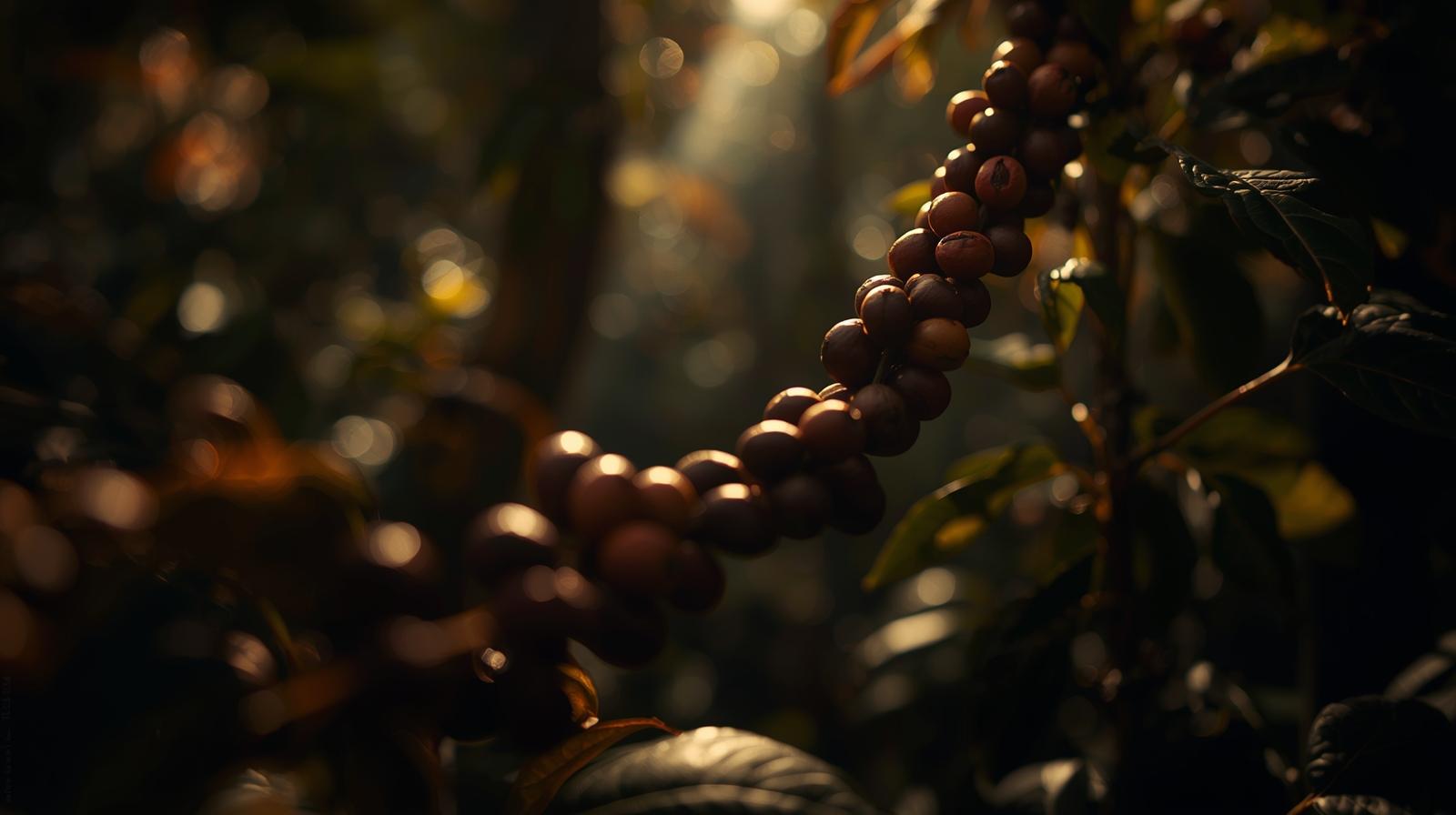
Coffee Bean Varieties represent the genetic foundation of every sensory experience you encounter in the world of specialty coffee. Therefore, understanding the science behind bean selection is not just for botanists; it is a vital skill for any enthusiast looking to elevate their brewing game and appreciation of the craft.
Moreover, the diversity of the coffee plant’s DNA determines everything from the natural sweetness of the cup to the plant’s ability to resist climate change and pests. Consequently, your choice of a specific variety influences the mouthfeel, acidity, and aromatic complexity of your morning ritual more than almost any other factor.
Furthermore, exploring the global map of coffee reveals a fascinating history of migration, mutation, and deliberate human intervention to create the perfect bean. Specifically, we will analyze the key differences between the most famous varieties and how they impact the modern specialty market.
In addition, a professional approach to selection ensures that you are consistently investing in beans that provide the best flavor and nutritional value. Finally, let us dive into the scientific world of coffee genetics to help you choose your next favorite origin with expert precision.
Coffee Bean Varieties and Botanical Genetics
At the core of Coffee Bean Varieties lies the complex field of Botanical Genetics, which explains why two plants grown in the same soil can taste remarkably different. Specifically, the genus Coffea contains over 120 species, yet the commercial world focuses almost exclusively on Arabica and Canephora (commonly known as Robusta).
In contrast, wild varieties found in the forests of Ethiopia hold a genetic diversity that scientists are only beginning to unlock for future cultivation. Consequently, the preservation of these genetic lines is essential for the long-term survival and evolution of the specialty coffee industry as we know it today.
Moreover, understanding the ploidy—the number of chromosome sets—helps explain why Arabica is often more nuanced and delicate compared to the hardier Robusta. Therefore, when you study the genetics of your beans, you are looking at a biological blueprint that has been refined over thousands of years of evolution.
Furthermore, World Coffee Research provides a professional database that details how these genetic traits manifest in different environments across the globe. Finally, the science of genetics is the first step in the long journey from a wild forest plant to a world-class espresso.
Analyzing Specific Cultivar Characteristics
To truly master the selection process, you must be able to identify unique Cultivar Characteristics that define the personality of a specific Coffee Bean Variety. For instance, the Bourbon cultivar is famous for its deep buttery sweetness and medium acidity, making it a favorite for traditional espresso blends.
Moreover, Typica, often considered the “mother” of many modern varieties, is known for its clean, sweet, and high-quality cup profile, though it is often lower-yielding for the farmer. Consequently, professional cuppers look for these specific markers to verify the purity and quality of a shipment of specialty green beans.
Furthermore, the physical shape of the bean—whether it is elongated like a Geisha or small and round like a Mocha—provides a visual clue to its genetic heritage. Therefore, paying attention to these details allows you to predict the flavor profile of a coffee before the first drop even hits your cup.
In addition, understanding how a cultivar responds to its local “terroir” is essential for any roaster looking to highlight the best possible version of a specific bean. Finally, the study of characteristics is what separates a casual drinker from a true coffee connoisseur.
Coffee Bean Varieties and Home Roasting Basics
You can significantly improve your Home Roasting Basics by tailoring your heat application to the specific Coffee Bean Varieties you have purchased. Specifically, denser high-altitude beans like Kenyan SL-28 require a more aggressive initial heat charge to penetrate the hard cellular structure and unlock their bright phosphoric acidity.
In contrast, lower-density varieties may scorch easily, requiring a gentler approach to avoid destroying the delicate sugars during the drying phase of the roast. Consequently, home roasting basics are never a “one size fits all” process, but rather a flexible dance between the machine and the bean’s genetics.
Moreover, the size uniformity of a specific variety, such as Caturra, allows for a more even roast, leading to a cleaner and more consistent final product. Therefore, knowing your varieties helps you adjust your roasting drum speed and airflow to achieve the perfect development every time.
Finally, the reward of roasting a rare variety at home is the ability to experience a flavor profile that is exactly suited to your personal preferences.
The Role of Coffee Shelf Life in Variety Freshness
Even the most elite Coffee Bean Varieties are subject to the laws of Coffee Shelf Life, which can quickly diminish the unique traits of a rare cultivar. Specifically, certain varieties with high oil content may oxidize faster, leading to a loss of those vibrant floral or fruity notes that make them so expensive and desirable.
Moreover, the way a bean is processed—whether washed, natural, or honey—interacts with its variety to determine how well it will age in your pantry. Consequently, you must maintain strict storage protocols to ensure that a high-end Geisha or Maragogype doesn’t lose its “soul” to the air and moisture in your kitchen.
Furthermore, understanding the relationship between genetics and freshness allows you to prioritize which beans to drink immediately and which can handle a bit more rest. Therefore, managing your inventory based on the specific needs of each variety is a professional habit that prevents waste and ensures quality.
Similarly, always look for the harvest date alongside the variety name to ensure you are getting the most potent and lively beans available on the market.
Coffee Bean Varieties: Manual vs. Electric Grinders
Choosing between Manual vs. Electric Grinders can impact how you experience the subtle nuances of different Coffee Bean Varieties in your daily brew. For instance, extremely hard, light-roasted varieties like those from Ethiopia can be quite a challenge for lower-quality manual grinders, requiring significant physical effort.
Conversely, a high-end electric flat-burr grinder is often preferred for highlighting the clarity and “brightness” of modern hybrid varieties like Castillo or Centroamericano. Consequently, your equipment should be capable of handling the physical diversity of the beans you choose to explore in your coffee journey.
Moreover, a consistent grind size is the only way to accurately compare two different varieties side-by-side during a home cupping session. Therefore, investing in a grinder that offers a wide range of precision settings is essential for any enthusiast who wants to taste the true difference between a Pacamara and a Catuai.
In addition, the heat generated by some electric grinders can subtly alter the flavor of heat-sensitive varieties, making manual grinding a popular choice for ultra-premium beans.
Decaf Coffee Basics for Variety Lovers
If you are exploring Decaf Coffee Basics, you will find that the variety of the original green bean still plays a massive role in the final flavor of the caffeine-free cup. Specifically, many specialty roasters are now selecting high-quality varieties like Colombia or Tabi for their decaf programs to ensure the flavor remains complex and rewarding.
Moreover, the decaffeination process is most successful when starting with a bean that has a strong genetic foundation of sweetness and body. Consequently, you no longer have to settle for “generic” decaf, as many producers now offer variety-specific decaffeinated options that maintain their botanical identity.
Furthermore, knowing the original variety helps you understand what to expect from the decaf version, such as the chocolatey notes typically found in Caturra-based decafs. Therefore, a focus on variety is just as important for decaf drinkers as it is for those who consume full-caffeine specialty coffee.
Finally, the era of decaf being a “second-class” product is ending, thanks to a renewed focus on the genetics of the starting material.
The Science of Extraction and Variety Selection
Mastering The Science of Extraction is the final step in honoring the unique potential of different Coffee Bean Varieties in your kitchen. Specifically, some varieties have higher soluble solids than others, meaning they give up their flavors more easily to hot water during the brewing process.
Moreover, the altitude at which a variety is grown—often indicated by the “Strictly Hard Bean” (SHB) label—dictates how fine you should grind for a balanced extraction. Consequently, a professional barista is constantly adjusting their variables to match the “solubility” of the specific cultivar they are working with that week.
Therefore, you should view every new bag of a different variety as a fresh scientific experiment that requires a bit of “dialing in” for the best results. Furthermore, the ratio of water to coffee may need to change slightly to highlight the delicate acidity of a light-roasted heirloom variety.
Similarly, understanding the chemical makeup of your beans allows you to choose the brewing method—be it pour-over, espresso, or French press—that best suits their genetic strengths.
Brewing Coffee While Traveling with Rare Varieties
Maintaining your standards for Coffee Bean Varieties is entirely possible when Brewing Coffee While Traveling if you plan your kit around the beans you love. Specifically, carrying a small stash of your favorite single-origin varieties ensures that you never have to settle for the low-quality “commodity” coffee found in most travel hubs.
Moreover, using a portable brewer allows you to explore how different water sources around the world interact with the specific acidity of your chosen variety. Consequently, every trip becomes an opportunity to see how your favorite beans perform under new and challenging conditions.
Therefore, you should always keep your travel beans in their original packaging to have all the variety and farm information available for reference during your journey. In addition, sharing a rare or unique variety with someone you meet while traveling is one of the best ways to spread the passion for specialty coffee.
Finally, the joy of a perfect cup of a familiar variety in an unfamiliar place provides a sense of comfort and wellness that is hard to beat.
Conclusion
Coffee Bean Varieties: The Science of Selection is the ultimate guide to understanding the biological diversity that makes the world of coffee so rich and endlessly fascinating. Consequently, by focusing on the genetics, characteristics, and proper handling of each cultivar, you ensure that every cup is a true reflection of the plant’s natural potential.
Moreover, the transition from being a casual consumer to an informed selector of varieties is one of the most rewarding aspects of the specialty coffee hobby. Therefore, we encourage you to step outside your comfort zone and try new hybrids and heirloom varieties from across the global coffee belt.
In addition, staying curious about the science behind your beans ensures that you are always at the forefront of the latest trends and innovations in the industry. Similarly, your support for diverse varieties helps farmers maintain the genetic health of their plantations and the future of the coffee industry.
Finally, we hope this exploration of coffee genetics inspires you to look closer at the label of your next bag of beans. By focusing on these basics, you ensure that every sip is not just a caffeine boost, but a sophisticated journey through the very best that nature and science have to offer.

Adam Hulk is a professional barista, sensory analyst, and dedicated coffee educator with over a decade of experience in the specialty coffee industry. His journey began in the high-altitude farms of Colombia, where he spent a year studying the delicate relationship between volcanic soil and bean density.