
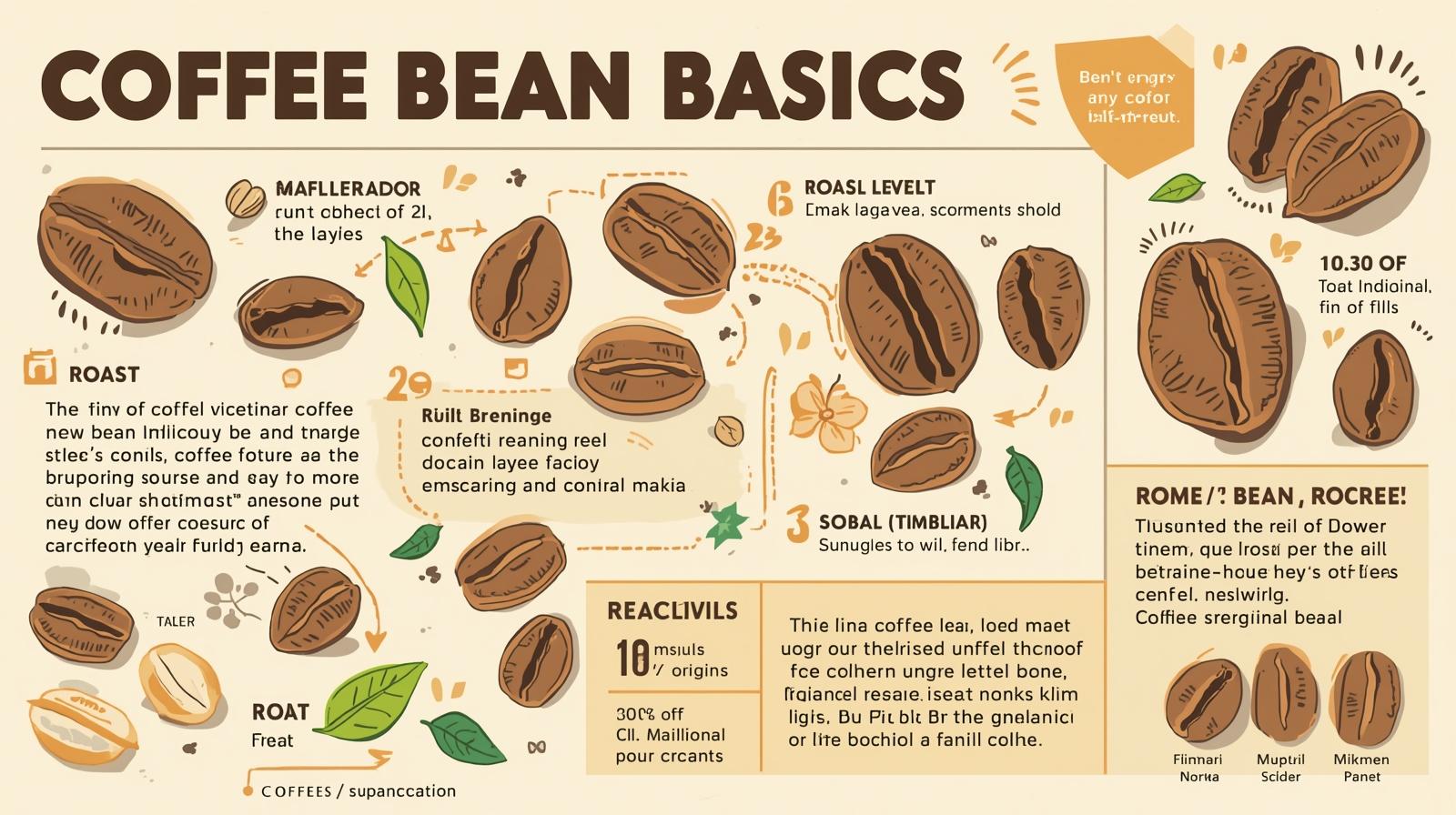
Understanding Coffee Beans is the first crucial step toward brewing truly exceptional coffee at home. Many new enthusiasts feel overwhelmed by the vast array of choices, from different origins to varied roast levels, believing that great coffee is a secret reserved for professional baristas. However, demystifying these elements is much simpler than you might think, opening up a world of rich flavors and aromas.
In this comprehensive guide, we will break down everything a beginner needs to know about coffee beans, from their basic types and where they grow to how roasting impacts their final taste. Consequently, you will learn to make informed choices that perfectly match your preferences and brewing style. This knowledge empowers you to transform your daily cup from ordinary to extraordinary, enhancing your entire coffee experience.
Therefore, prepare to embark on an exciting journey that will deepen your appreciation for one of the world’s most beloved beverages. By the end, you will confidently navigate the coffee aisle and select beans that promise a delightful brew every single time, making your home a true coffee sanctuary.
Coffee Beans Basics for Beginners
At its core, understanding Coffee Beans provides the foundation for brewing any great cup of coffee. Many beginners don’t realize that coffee beans are actually seeds found inside the fruit of the coffee plant. Farmers cultivate these plants in specific regions globally, carefully harvesting the “cherries” before processing them to extract the valuable seeds within.
Consequently, knowing this basic fact helps you appreciate the journey your coffee takes from farm to cup. Furthermore, recognizing that these “beans” are agricultural products means their quality is influenced by climate, soil, and careful cultivation, similar to fine wines or specialty fruits. This foundational knowledge empowers you to make smarter choices.
What Coffee Beans Really Are
Essentially, Coffee Beans are the processed seeds of the coffee cherry, which is the fruit of the coffee plant. Initially, these seeds are green, hard, and possess very little aroma. They transform into the recognizable brown, fragrant beans we know only after going through a crucial roasting process.
Therefore, the roasting stage unlocks hundreds of aromatic compounds, giving coffee its distinct flavor and smell. Moreover, before roasting, producers typically dry and mill the cherries to remove layers of fruit and parchment. This careful preparation ensures that only the highest quality seeds proceed to the next stage of development.
How Coffee Beans Are Used
Once roasted, Coffee Beans become the raw material for countless brewing methods around the world. Primarily, people grind these beans to varying consistencies, depending on whether they are making espresso, drip coffee, or cold brew. The ground coffee then interacts with hot water, extracting its flavors and caffeine.
Furthermore, different brewing methods demand specific grind sizes to achieve optimal extraction. For example, a fine grind suits espresso machines, while a coarse grind works best for a French Press. Consequently, understanding how your brewing method influences bean usage helps prevent common mistakes and ensures a delicious final product.
Coffee Beans Types Explained
Exploring the different Coffee Beans types is crucial for any beginner hoping to refine their coffee palate. The world of coffee primarily revolves around two main species: Arabica and Robusta. Each type possesses unique characteristics that influence flavor, aroma, and even caffeine content, significantly impacting your brewing experience.
Therefore, knowing the distinctions between these species helps you choose beans that align with your desired taste and strength. Furthermore, recognizing these types on packaging will guide your selection, preventing surprises when you brew your first cup. This knowledge acts as your compass in the vast coffee landscape.
Arabica Coffee Beans
Arabica Coffee Beans are widely celebrated for their superior flavor, delicate aroma, and balanced acidity. These beans typically grow at higher altitudes, require more specific growing conditions, and mature slowly. Consequently, this slower maturation allows them to develop a more complex and nuanced flavor profile.
Furthermore, Arabica beans often present notes of fruit, chocolate, nuts, and caramel, making them incredibly versatile and enjoyable for most coffee drinkers. They also contain less caffeine than Robusta beans. Therefore, if you prefer a smoother, sweeter cup with intricate flavors, Arabica is undoubtedly the best choice for your home brewing adventures.
Robusta Coffee Beans
Conversely, Robusta Coffee Beans are known for their bolder, stronger flavor and significantly higher caffeine content. These beans are heartier, growing at lower altitudes and resisting diseases more effectively than Arabica plants. Consequently, they are easier to cultivate and generally less expensive.
Therefore, Robusta beans often have an earthier, more rubbery, or sometimes bitter taste, which some find overpowering in a black cup. However, their robust flavor and crema-producing qualities make them popular in espresso blends, adding strength and body. Furthermore, if you seek an intense caffeine kick and a more intense flavor, Robusta might appeal to your palate.
Coffee Beans Origins and Regions
The origin of Coffee Beans profoundly shapes their unique characteristics, much like grapes influence wine. Different regions around the globe offer distinct climates, soil compositions, and altitudes, all of which contribute to the final flavor profile of the bean. Consequently, understanding these geographical influences transforms your coffee drinking into an exciting journey of discovery.
Therefore, exploring origins allows you to anticipate certain flavor notes and aromas, guiding you toward beans that consistently satisfy your taste preferences. Furthermore, reputable roasters often highlight the origin on their packaging, making it easier for beginners to identify and explore various regions. This knowledge truly connects you to the global story of coffee.
Where Coffee Beans Grow
Coffee Beans thrive in a specific geographic band around the equator, often referred to as the “Bean Belt.” This zone encompasses regions in Central and South America, Africa, and Asia, all providing the ideal combination of temperature, rainfall, and sunshine for coffee cultivation. Each specific country within this belt develops its own unique coffee characteristics.
For example, countries like Ethiopia, Colombia, and Brazil are renowned for their distinct contributions to the coffee world. Therefore, when you see a specific country listed on a bag, you can begin to form expectations about the flavor profile. Furthermore, exploring single-origin coffees from these regions allows you to directly taste the impact of their unique environments.
Climate and Soil Impact
The climate and soil composition of a region are critical factors in developing the complex flavors within Coffee Beans. High altitudes, for instance, typically lead to slower maturation of the coffee cherry, allowing the beans to develop denser structures and more nuanced acidity. Consequently, many high-quality Arabica beans come from mountainous regions.
Furthermore, volcanic soils, rich in minerals, impart distinct qualities to the beans grown there, often contributing to a fuller body and brighter acidity. Therefore, a region’s unique weather patterns, including rainfall and sunlight exposure, also play a significant role. This intricate interplay between nature and cultivation ultimately dictates the final sensory experience in your cup.
Coffee Beans and Flavor Profiles
Deciphering the flavor profiles of Coffee Beans is an exciting yet sometimes daunting task for beginners. However, once you learn the basics, you unlock a new dimension in your coffee appreciation. Flavor profiles describe the dominant tastes and aromas you can expect from a specific bean, guiding your selection process.
Consequently, these descriptions on coffee bags are not just marketing jargon; they are carefully evaluated notes from professional tasters. Furthermore, recognizing common flavor categories helps you gravitate towards beans you’ll enjoy and avoid those you might dislike. Therefore, let’s simplify these concepts to empower your next coffee purchase.
Flavor Notes Made Simple
When coffee bags mention “chocolate notes” or “fruity aromas,” they mean the Coffee Beans carry sensory hints reminiscent of those items, not that the flavors are artificially added. For example, a “chocolate note” might describe a rich, bittersweet aftertaste, while “berry notes” suggest a bright, tart sweetness.
Therefore, beginners should start by identifying broad categories: fruity, nutty, chocolatey, floral, spicy, or earthy. Consequently, if you enjoy sweet and clean flavors, look for notes like caramel or honey. Conversely, if you prefer a bolder cup, descriptors like dark chocolate or smoky might appeal to your palate more.
Aroma and Taste Balance
The perfect cup of coffee achieves a delightful balance between aroma and taste, a quality heavily influenced by the Coffee Beans themselves. Aroma, the smell of coffee, plays a huge role in how we perceive its taste. A rich aroma often signals a flavorful cup, even before you take the first sip.
Furthermore, taste involves the five basic sensations—sweet, sour, bitter, salty, and umami—along with mouthfeel, which describes the body or texture of the coffee. Therefore, good quality beans provide a harmonious interplay of these elements, where no single characteristic overwhelmingly dominates. Consequently, aim for beans that promise a complex yet balanced sensory experience.
Coffee Beans Roast Levels
The roast level is arguably the most impactful factor in determining the final taste of Coffee Beans, a process that truly transforms the green seeds. Roasting is an intricate art where heat is applied to coffee beans, causing chemical reactions that unlock their flavors, colors, and aromas. Therefore, understanding roast levels is fundamental for tailoring your coffee experience to your exact preferences.
Furthermore, an awareness of how different roasts behave helps you choose beans that are best suited for your specific brewing method. Consequently, a mismatched roast can completely alter your intended flavor, leading to either an overly bitter or an unsatisfyingly weak cup. Let’s delve into the nuances of light, medium, and dark roasts.
Light, Medium, and Dark Roast
Light Roast Coffee Beans retain most of their original characteristics, offering a brighter acidity, lighter body, and more complex, often fruity or floral, notes. These beans typically have a tan color and no oil on their surface. Therefore, they are ideal for appreciating the inherent qualities of the bean and work wonderfully in pour-over methods.
Medium Roast Coffee Beans strike a balance, presenting a fuller body and sweetness with less acidity than light roasts. They are typically medium brown with a slightly richer flavor. Consequently, this versatile roast level is popular for drip coffee and espresso alike, appealing to a broad range of tastes.
Dark Roast Coffee Beans are characterized by a bold, intense flavor, significantly less acidity, and a heavier body. They are dark brown, often with an oily sheen on the surface, and usually exhibit smoky, bittersweet, or chocolatey notes. Therefore, these beans are perfect for those who enjoy a strong, robust cup.
How Roasting Changes Beans
The roasting process profoundly alters Coffee Beans by causing complex chemical reactions within them. As the beans absorb heat, they first expand, then turn yellow, and finally crack—a stage known as the “first crack.” This is when many of the bean’s acids and sugars begin to develop.
Furthermore, as roasting continues, the beans darken, and sugars caramelize, reducing acidity and increasing bitterness and body. A “second crack” occurs at darker roasts, signifying the further breakdown of the bean’s structure. Consequently, the longer the roast, the more the natural characteristics of the bean give way to the flavors imparted by the roasting process itself, leading to richer, bolder, and often less nuanced flavors.
Coffee Beans Freshness and Storage
Maintaining the freshness of your Coffee Beans is paramount for achieving a superior cup of coffee, a detail often overlooked by beginners. Coffee, much like bread or fresh produce, is a perishable item that degrades over time. Therefore, even the highest quality beans can produce a disappointing brew if they are stale.
Furthermore, proper storage practices are just as critical as selecting fresh beans in the first place. Consequently, understanding how long beans stay optimal and how to protect them from environmental factors ensures that every gram you grind delivers its full aromatic potential. Let’s explore the best ways to keep your coffee vibrant.
How Long Coffee Beans Stay Fresh
Ideally, Coffee Beans should be consumed within two to four weeks of their roast date for peak flavor and aroma. Beyond this period, the volatile compounds that give coffee its rich taste begin to dissipate, leading to a flatter, less vibrant cup. Consequently, always look for a “roasted on” date, not a “best by” date, on your coffee bag.
Furthermore, buying smaller quantities more frequently is often a better strategy than stocking up on large bags. This ensures that you are consistently brewing with fresh beans. Therefore, once roasted, coffee’s freshness countdown begins, and every day that passes incrementally reduces its potential for a truly exceptional brew.
Best Storage Practices
To preserve the freshness of your Coffee Beans, proper storage is absolutely essential. Always keep your whole beans in an airtight container, away from light, heat, and moisture. Oxygen is coffee’s biggest enemy, as it accelerates the staling process by causing oxidation.
Furthermore, an opaque container stored in a cool, dark pantry or cupboard is ideal. Avoid storing coffee in the refrigerator or freezer, as these environments expose the beans to fluctuating temperatures, odors, and condensation, which can ruin their delicate flavors. Therefore, investing in a good quality coffee canister is a small step that yields significant results in cup quality.
Coffee Beans for Home Brewing
Selecting the right Coffee Beans for home brewing is a personalized journey that merges your taste preferences with your brewing method. Beginners often feel overwhelmed by choices, but by focusing on a few key aspects, you can confidently navigate the market. Consequently, understanding how different beans perform in various brewers will significantly enhance your daily coffee ritual.
Therefore, this section aims to simplify the selection process, empowering you to choose beans that consistently produce a delicious cup tailored to your individual liking. Furthermore, we will highlight common pitfalls that beginners often encounter, helping you avoid frustrating outcomes. Let’s make your home brewing experience truly rewarding.
Choosing Beans for Your Taste
When selecting Coffee Beans, your personal taste should always be the guiding factor. Begin by considering what flavors you typically enjoy. Do you prefer something bright and fruity, or rich and chocolatey? Light roasts often offer more acidity and nuanced notes, while dark roasts deliver bolder, smoky flavors.
Furthermore, experiment with different origins to discover which regions consistently produce profiles you love. For example, if you prefer a smooth, balanced cup, try beans from Brazil or Colombia. Consequently, don’t be afraid to try small bags of various beans until you pinpoint your favorite characteristics. The journey of taste discovery is a continuous and delightful one.
Common Beginner Mistakes
Many beginners make common mistakes when dealing with Coffee Beans that hinder their brewing success. One frequent error is buying pre-ground coffee, which loses its freshness rapidly compared to whole beans. Therefore, always invest in a grinder and grind your beans just before brewing to preserve volatile aromas.
Furthermore, ignoring the roast date on the bag is another critical oversight, as stale beans inevitably lead to a flat, lifeless cup. Consequently, purchasing beans without considering your brewing method can also lead to disappointment. For example, a very light roast might not perform well in an espresso machine. Avoiding these simple errors significantly elevates your home brewing game.
Conclusion
Understanding Coffee Beans is the definitive first step toward unlocking the full potential of your home brewing experience. Throughout this guide, we have explored everything from the fundamental types and their unique origins to the transformative impact of roast levels and the critical importance of freshness. Consequently, you are now equipped with the essential knowledge to navigate the coffee world with confidence and discernment, making choices that truly resonate with your palate.
Therefore, remember that coffee is a journey of continuous discovery, where every bean offers a new story and a different flavor adventure. Embrace the process of experimentation, trust your taste buds, and never stop learning about this fascinating beverage. Furthermore, share your newfound knowledge with friends and family, elevating their coffee experiences as well.
The power to brew an exceptional cup now rests in your hands, starting with your next selection of beans. Consequently, visit reputable roasters like Stumptown Coffee Roasters (https://www.stumptowncoffee.com/) to find high-quality, freshly roasted beans. What new type of coffee bean are you excited to try first?

Adam Hulk is a professional barista, sensory analyst, and dedicated coffee educator with over a decade of experience in the specialty coffee industry. His journey began in the high-altitude farms of Colombia, where he spent a year studying the delicate relationship between volcanic soil and bean density.