
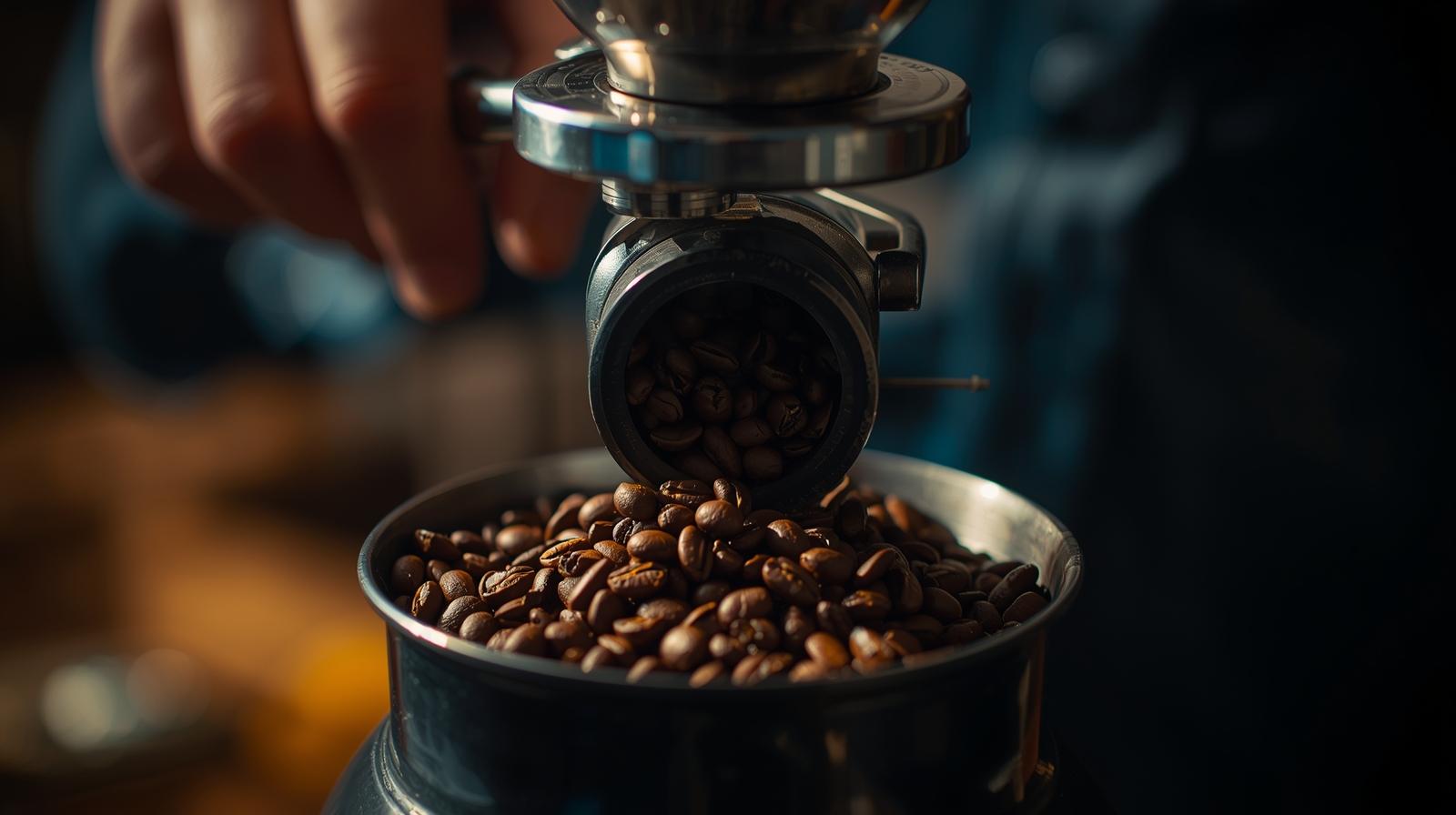
Learning how to grind Whole Bean Coffee correctly is the most significant technical skill you can acquire to improve the quality of your home brewing.
Many people invest in expensive machines and high-end beans but fail to realize that the grind size is what actually controls the flavor extraction.
However, mastering the relationship between your grinder and your brewing method allows you to unlock the full potential of every bag you buy. This guide provides a detailed look at the mechanics of grinding, ensuring you achieve a perfect cup every single morning.
Consequently, you will understand how to avoid common mistakes like over-extraction or under-extraction that lead to bitter or sour tastes.
So, let us explore the essential tools and techniques required to handle your beans with professional precision. Before diving into the technical aspects of grinding, it is helpful to review our coffee beans beginners guide to ensure you have the best raw materials.
In my years of working with specialty coffee equipment, I have found that the grinder is often more important than the brewer itself.
Why Grinding at Home Matters
The primary reason to choose Whole Bean Coffee is to preserve the delicate aromatic oils that are trapped inside the protective structure of the bean.
Once you break that structure through grinding, the surface area increases exponentially, and the coffee begins to oxidize immediately.
Furthermore, the volatile compounds responsible for the sweet and floral notes of the coffee evaporate within minutes of exposure to the air. Therefore, grinding your beans just seconds before you add water is the only way to guarantee a truly fresh and vibrant flavor.
Preservation of Volatile Oils
Initially, the oils inside Whole Bean Coffee are what carry the specific flavor characteristics of the origin and the roast. When coffee is pre-ground, these oils are exposed to oxygen and light, causing them to degrade and turn rancid very quickly.
Furthermore, a fresh grind creates a “bloom” during the brewing process, which is the release of carbon dioxide that helps extract the best flavors. Therefore, the sensory experience of a home-ground cup is vastly superior to anything you can get from a pre-ground package.
Control Over Extraction
Consequently, grinding your own Whole Bean Coffee gives you total control over the extraction rate, which is the speed at which water pulls flavor from the grounds. If the grind is too coarse, the water passes through too quickly, resulting in a thin and sour cup.
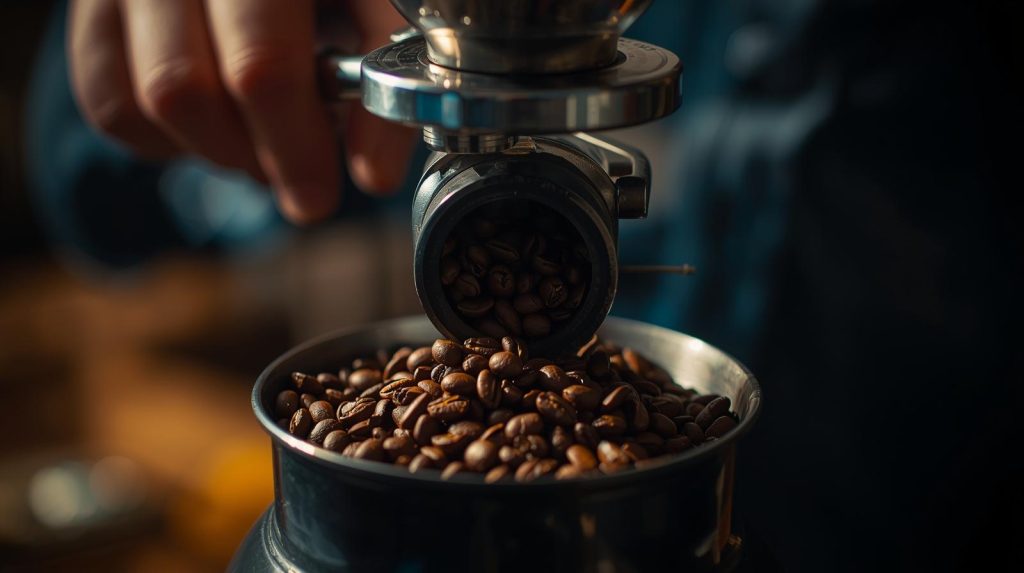
Moreover, if the grind is too fine, the water stays in contact too long, leading to a dry and bitter aftertaste. In addition, every brewing method requires a specific particle size to function at its best. So, becoming your own grinder allows you to calibrate your coffee perfectly to your individual taste and equipment.
Types of Coffee Grinders
To successfully process Whole Bean Coffee, you must understand the difference between the two main types of grinders available on the consumer market. While both machines serve the same basic purpose, the way they handle the beans significantly impacts the consistency and quality of your brew.
Furthermore, the consistency of the grind size is the most important technical factor in achieving a balanced cup of coffee. Therefore, choosing the right tool for the job is an investment that pays off in every single sip you take.
Blade Grinders vs. Burr Grinders
Usually, beginners start with blade grinders because they are affordable and easy to find in most general department stores.
However, blade grinders act like a blender, chopping the Whole Bean Coffee into uneven fragments of various sizes. Furthermore, this inconsistency makes it impossible to achieve a balanced extraction, as the small particles over-extract while the large chunks under-extract.
Therefore, professional baristas almost exclusively recommend burr grinders, which use two revolving abrasive surfaces to crush the beans to a precise and uniform size.
Manual vs. Electric Burr Grinders
Consequently, if you decide to upgrade to a burr grinder for your Whole Bean Coffee, you can choose between manual hand-crank models or electric versions.
Manual grinders are excellent for travel and provide a very high-quality grind for a much lower price point than electric models. Moreover, electric grinders offer convenience and speed, making them ideal for households that brew multiple cups of coffee every day.
In addition, high-end electric grinders often feature timers and dosing scales to make your routine even more precise. So, your choice should depend on your budget and how much effort you are willing to put into your morning ritual.
Matching Grind Size to Brewing Method
The most critical step in learning how to grind Whole Bean Coffee is matching the particle size to the specific device you are using to brew.
Each method has a different contact time with the water, requiring a different surface area to achieve the ideal flavor balance. Furthermore, using the wrong grind size can lead to a cup that is either unpleasantly weak or overwhelmingly harsh.
Therefore, you should memorize the general grind categories to ensure your equipment is always set correctly for the best results.
Extra Coarse and Coarse Grinds
An extra coarse grind for Whole Bean Coffee looks like sea salt and is primarily used for cold brew, which requires a very long extraction time. Furthermore, a standard coarse grind is the classic choice for the French Press, where the coffee is immersed in water for several minutes.
Therefore, these larger particles allow the water to extract flavor slowly without pulling out the heavy bitterness found in the bean’s core. Consequently, using a coarse grind prevents the filter from getting clogged and maintains a clean, heavy-bodied mouthfeel.
Medium and Fine Grinds
Medium grinds are the most versatile for Whole Bean Coffee and are usually compared to the texture of table salt or granulated sugar.
This size is perfect for drip coffee makers, the AeroPress, and most pour-over devices like the V60 or Chemex. Furthermore, a fine grind is required for espresso, as the water is forced through the grounds under high pressure in a very short amount of time. So, achieving a fine, flour-like consistency is essential for creating the rich crema and intense flavor that espresso lovers crave.
For a detailed guide on these standards, you can visit the National Coffee Association website for professional brewing tips.
Step-by-Step Grinding Process
Once you have your Whole Bean Coffee and your burr grinder ready, following a consistent process will help you achieve repeatable and delicious results. Precision is key, so treating your coffee preparation like a science experiment will yield the best culinary rewards.
Furthermore, keeping your equipment clean and your beans protected is part of the professional grinding workflow. Therefore, follow these simple steps to ensure you get the most out of every single gram of coffee you grind.
Weighing Your Beans
Initially, always use a digital scale to weigh your Whole Bean Coffee before you put it into the grinder’s hopper.
Relying on scoops or tablespoons is notoriously inaccurate because different beans have different densities and sizes. Furthermore, the standard specialty coffee ratio is about 60 grams of coffee per liter of water, but you can adjust this to your strength preference.
So, weighing both your water and your beans ensures that you have a consistent starting point every time you brew.
Adjusting and Testing
Consequently, after you weigh the Whole Bean Coffee, set your grinder to the desired setting and grind a small amount to check the texture. If the coffee tastes too bitter, try moving to a slightly coarser setting on your next brew to slow down the extraction.
Moreover, if the cup tastes sour or watery, moving to a finer setting will help the water pull more sweetness and body from the beans. In addition, remember that as coffee beans age, you may need to make small adjustments to your grind size to maintain the same flavor profile.
Therefore, don’t be afraid to experiment with your grinder’s settings to find the sweet spot for each new bag of beans.
Common Grinding Mistakes to Avoid
Even with the best Whole Bean Coffee, certain errors during the grinding process can ruin the final taste of your beverage.
Understanding these pitfalls will help you troubleshoot your brew and improve your skills much faster than trial and error alone. Furthermore, many of these mistakes are related to heat and cleanliness, which are often overlooked by home enthusiasts.
Thus, pay close attention to these common issues to ensure your coffee stays at a café-quality level.
Grinding Too Far in Advance
One of the worst things you can do to Whole Bean Coffee is to grind a large batch and store it for the entire week. As we discussed, the aromatic quality of the coffee drops significantly within fifteen minutes of being ground.
Furthermore, the oils will begin to oxidize even if stored in an airtight container, leading to a dull and uninspiring cup. Therefore, only grind the exact amount of coffee you need for the immediate brew you are about to make.
Neglecting Grinder Cleanliness
Moreover, failing to clean your grinder regularly allows old coffee oils and fines to build up on the burrs and in the discharge chute. These old particles can turn rancid and impart a funky, stale taste to your fresh Whole Bean Coffee every time you use the machine.
In addition, a dirty grinder can become clogged, leading to inconsistent grind sizes and potential mechanical failure over time. Thus, use a small brush or dedicated grinder cleaning tablets once a month to keep your equipment in top condition.
Consequently, a clean grinder ensures that the only flavors you taste are the ones intended by the roaster.
Conclusion
In conclusion, knowing how to grind Whole Bean Coffee is the ultimate key to unlocking professional-level flavors in your own kitchen.
By choosing a quality burr grinder and matching your grind size to your specific brewing method, you take control of the extraction process. Furthermore, the commitment to grinding fresh every morning ensures that you capture the volatile oils and complex aromas that define specialty coffee.
Consequently, you will find that the ritual of grinding becomes one of the most rewarding parts of your entire daily routine.
Thus, I encourage you to invest in a burr grinder and start experimenting with different settings to see how they impact your favorite beans. In addition, remember that the perfect grind is the one that tastes best to you, so use these guidelines as a starting point for your own discovery.
Therefore, keep your beans whole, your burrs clean, and your water hot for a consistently amazing coffee experience. What brewing method are you planning to master next with your new grinding skills?

Adam Hulk is a professional barista, sensory analyst, and dedicated coffee educator with over a decade of experience in the specialty coffee industry. His journey began in the high-altitude farms of Colombia, where he spent a year studying the delicate relationship between volcanic soil and bean density.