The Resilience Audit: Stress-Testing Your Domestic Systems
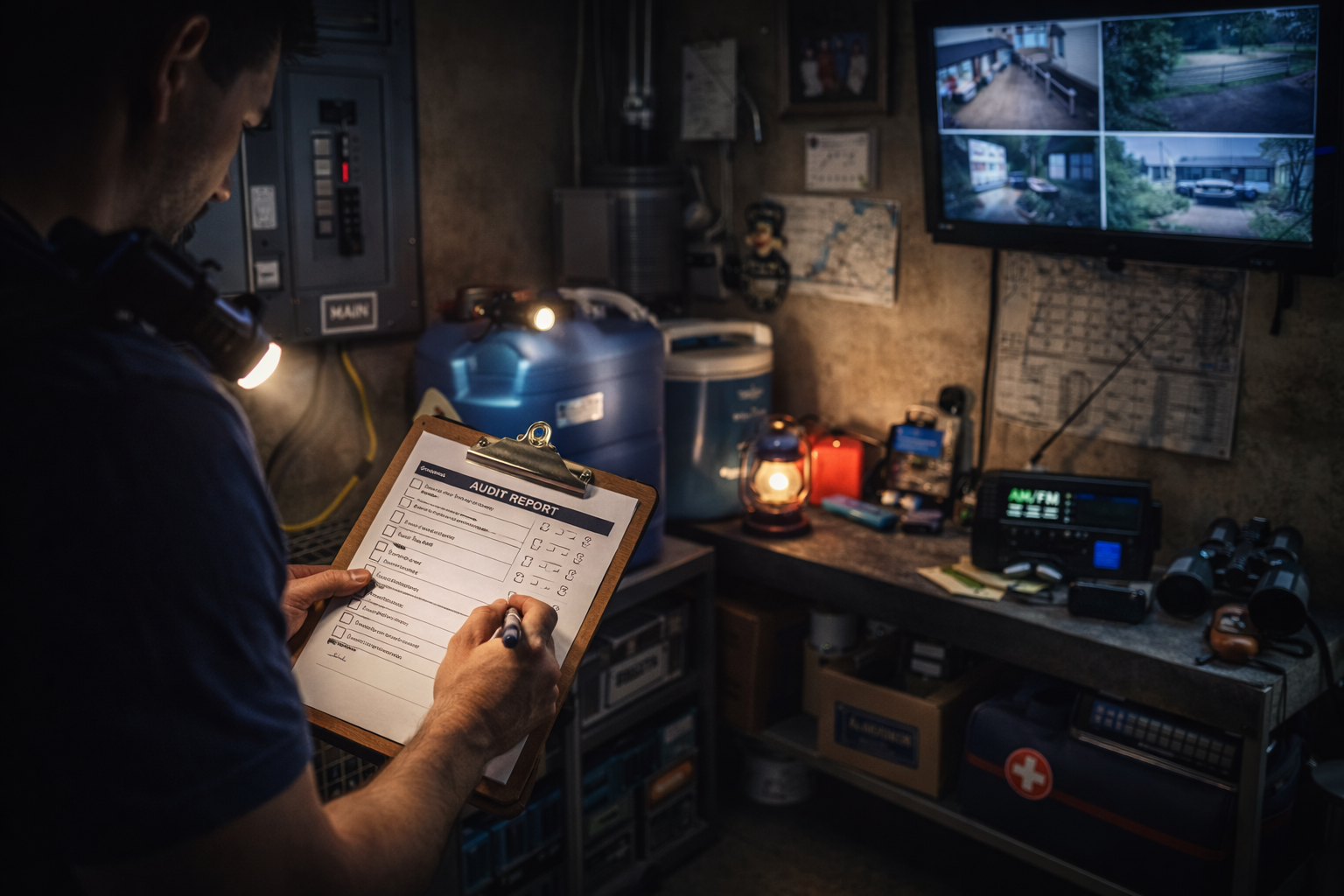
The Resilience Audit is the final and most critical phase of Domestic Systems Engineering. It is the process of deliberately testing your infrastructure to identify hidden weaknesses before a real crisis occurs. Most people build emergency systems and assume they will function perfectly when the time comes. However, mechanical parts seize, batteries degrade, and human … Ler mais

Cyber-Resilience: Hardening Your Home Network

Cyber-Resilience is the critical digital layer of Domestic Systems Engineering that protects your home’s data and automation. In a hyper-connected world, your home network is no longer a luxury but a vital utility that controls your security and finances. Most residential networks are configured with “Default Settings” that leave them wide open to external intrusion … Ler mais

Defense and Perimeter: Engineering the Secure Home

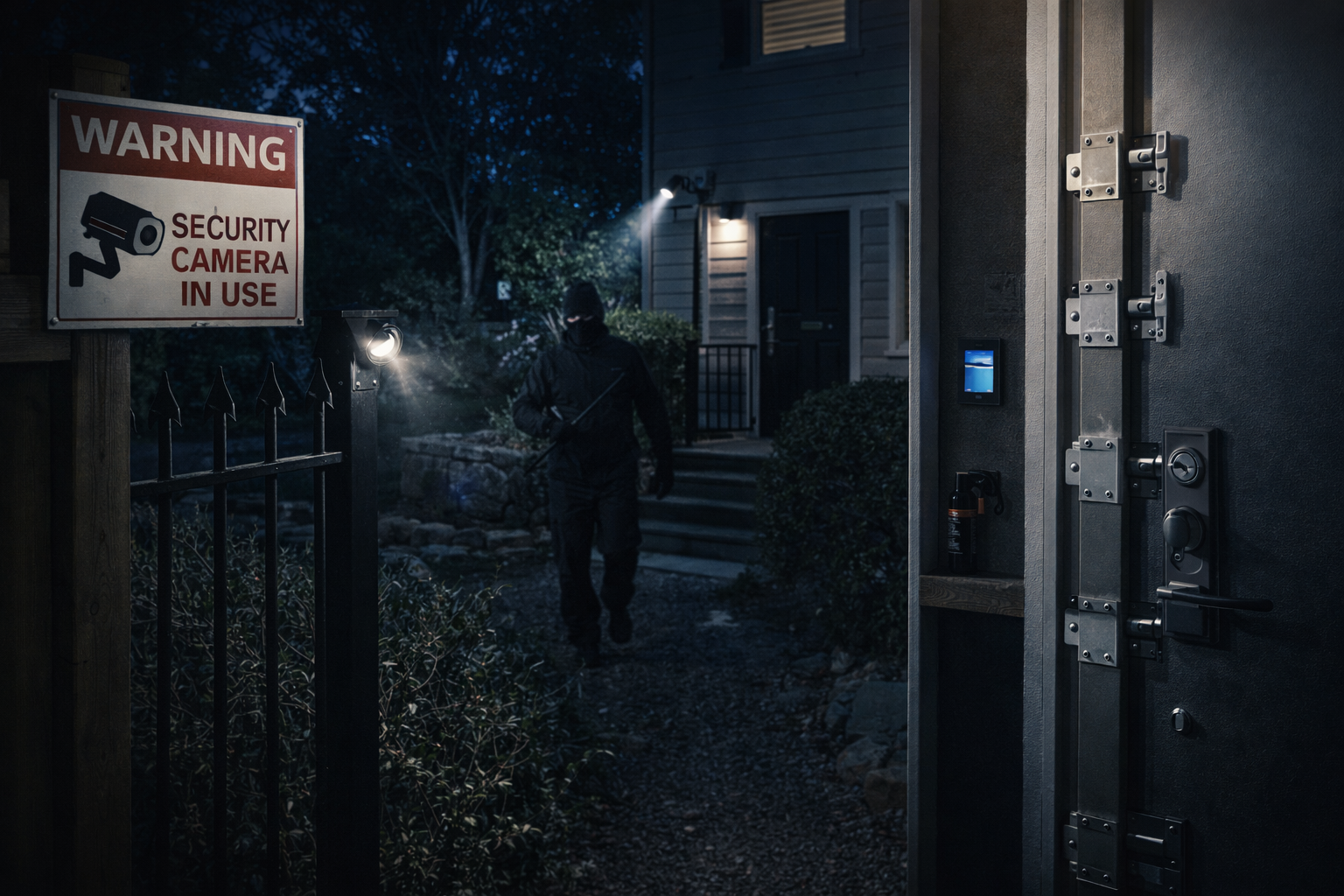
Defense and Perimeter engineering is the science of creating a structural deterrent against external human threats. In a high-performance domestic system, security is not an afterthought; it is a fundamental layer of the home’s architecture. Most residential security relies on “security theater,” such as flimsy window locks or decorative fences. Domestic Systems Engineering requires a … Ler mais

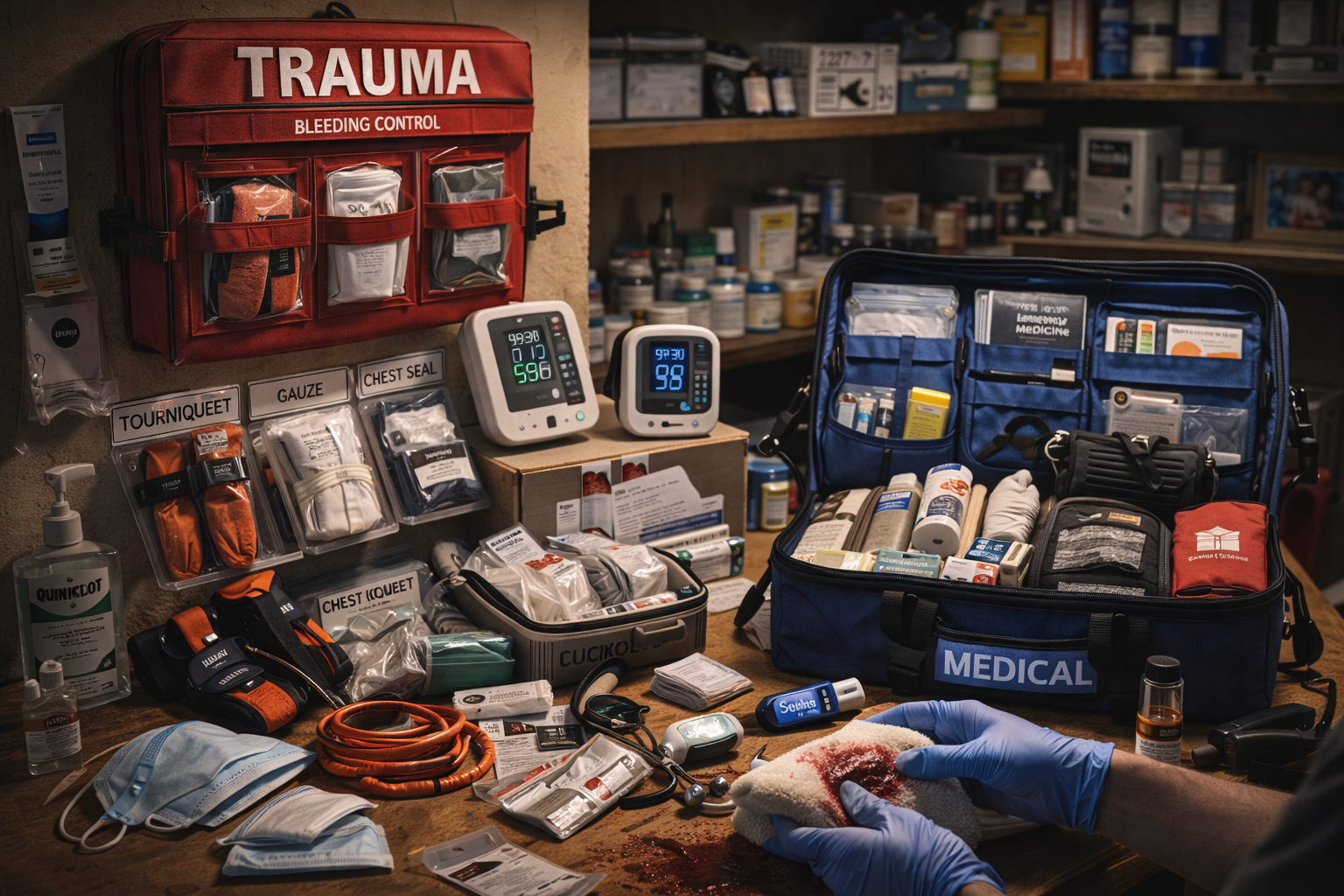
Medical Self-Sufficiency: Engineering a Trauma-Ready Home

Medical Self-Sufficiency is the strategic capacity to manage health crises when professional emergency services are unavailable or delayed. In a high-performance domestic system, medical care is treated as a critical “Response Infrastructure” rather than just a drawer of bandages. The modern medical model relies on a “Golden Hour” where help arrives within sixty minutes to … Ler mais

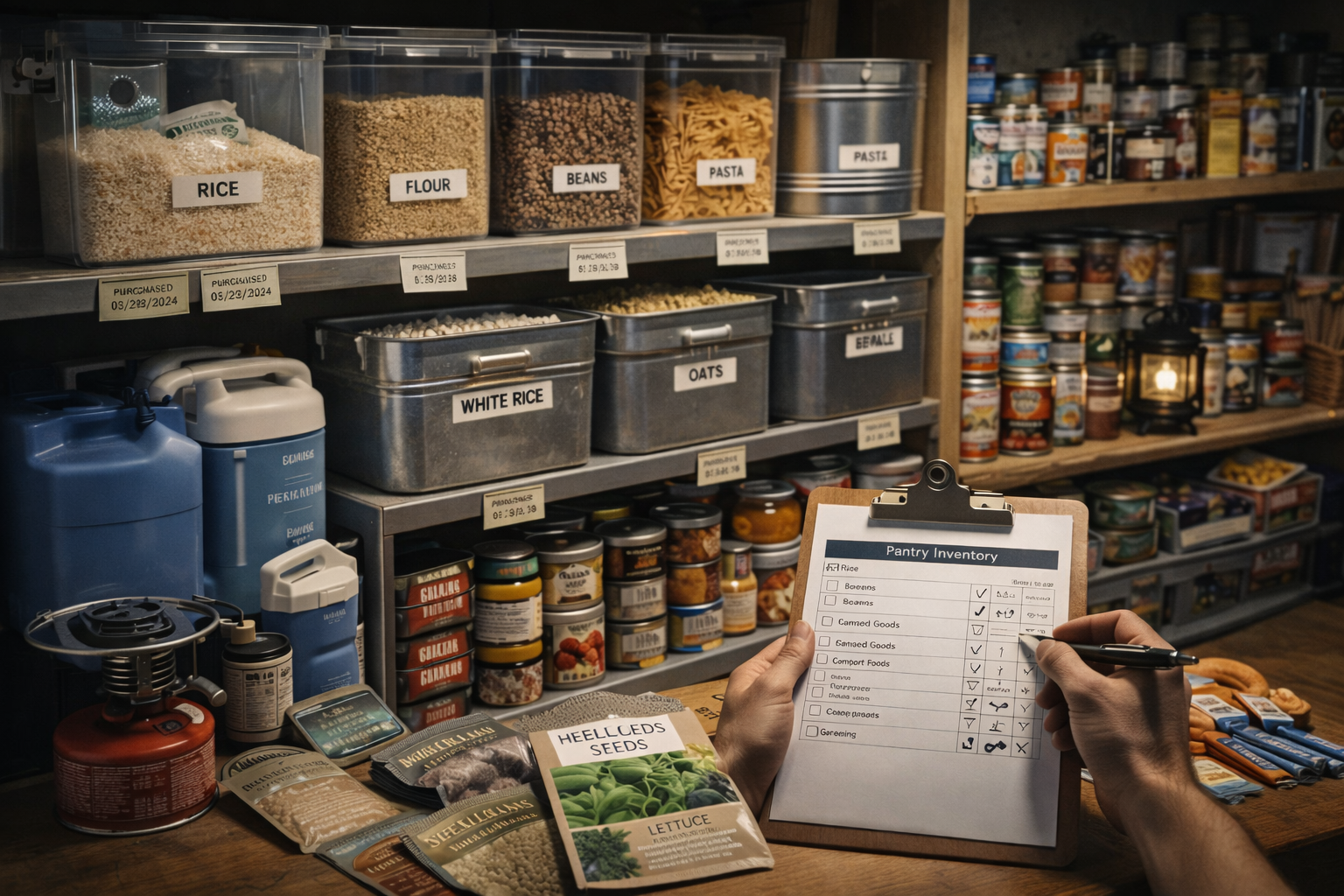
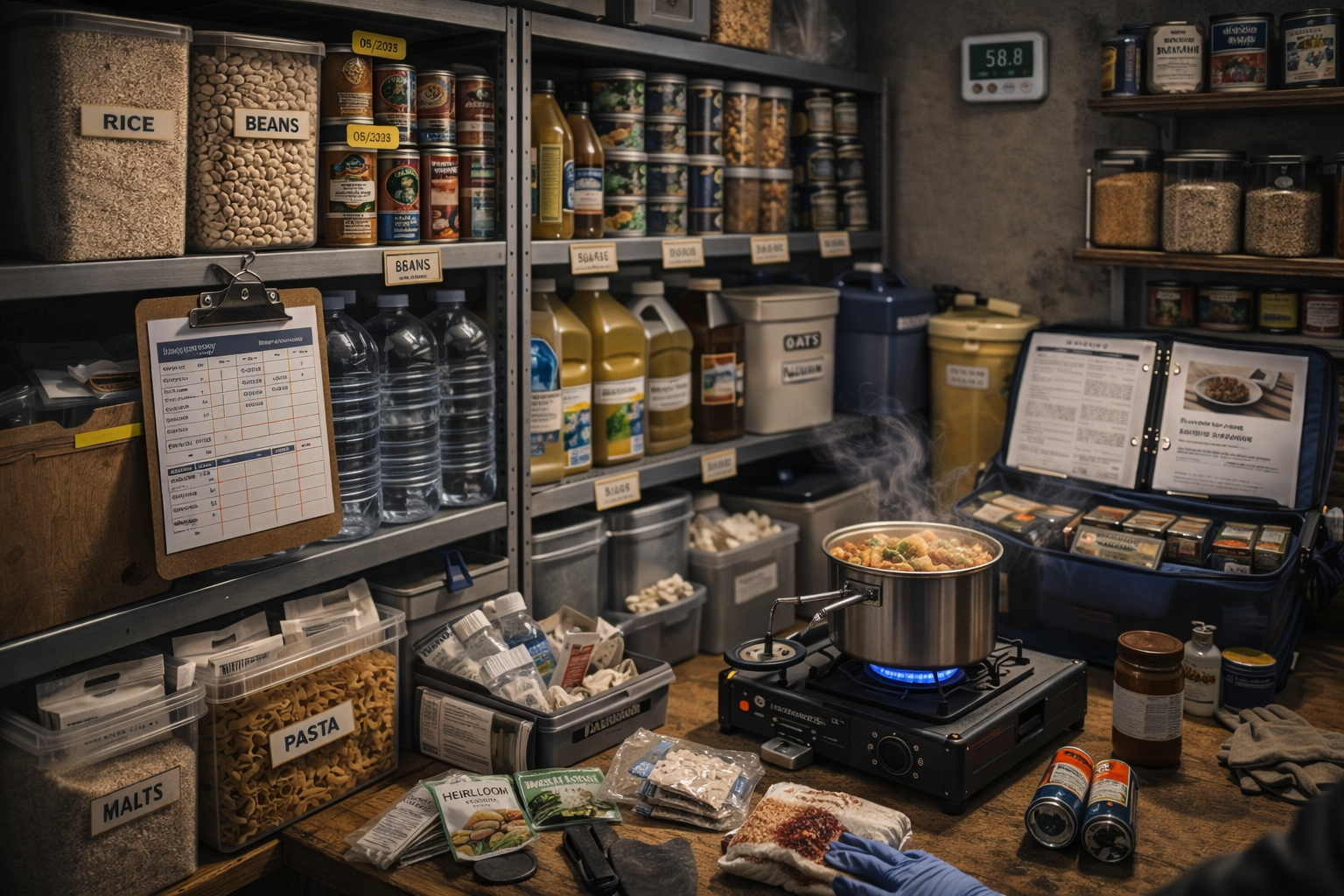
Food Resilience: The Logistics of the Long-Term Pantry

Food Resilience is the strategic management of nutritional assets to ensure household continuity during supply chain failures. In a high-performance home, food is treated as a critical inventory that must be managed with industrial precision. The modern “just-in-time” grocery model is built on a fragile network of global logistics and fuel availability. Most metropolitan areas … Ler mais

Emergency Heating: Staying Warm Without the Grid

Emergency Heating is a critical survival system for any home located in cold climates. A failure in the primary heating grid during winter is a life-threatening structural event. Most modern homes rely on complex furnaces that require both electricity and gas. When the power fails, the ignition and blowers stop, and temperatures drop rapidly. Domestic … Ler mais

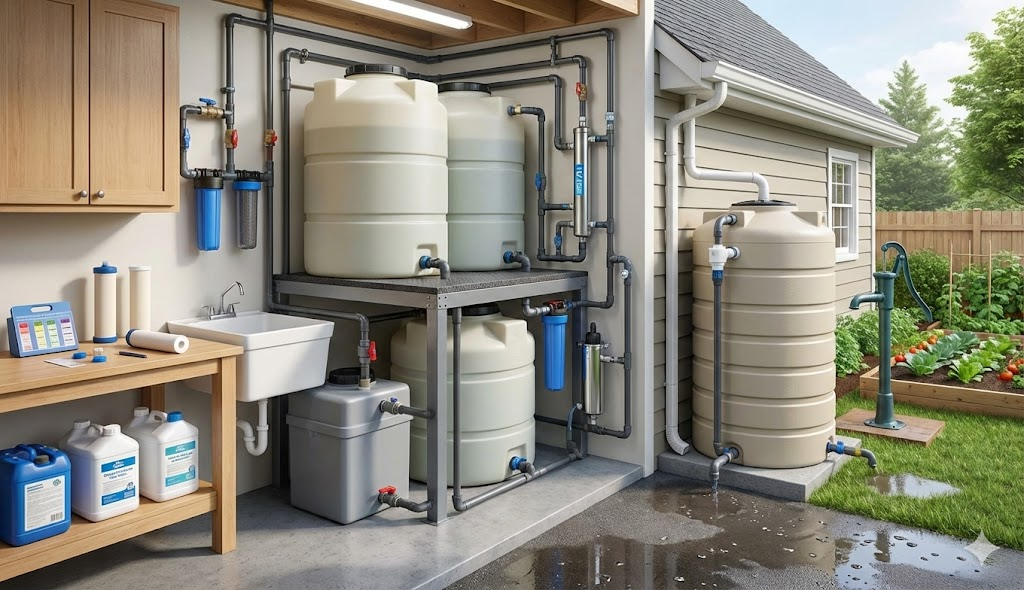
Water Security: Harvesting and Storage

Water Security is the absolute foundation of biological survival and home operational stability. Without a reliable source of hydration and sanitation, your domestic infrastructure becomes a liability. Most modern homes rely on a fragile, centralized “just-in-time” municipal water supply system. A single contamination event or a mechanical failure at the city plant can cut off … Ler mais

Power Independence: Solar and Battery Backups

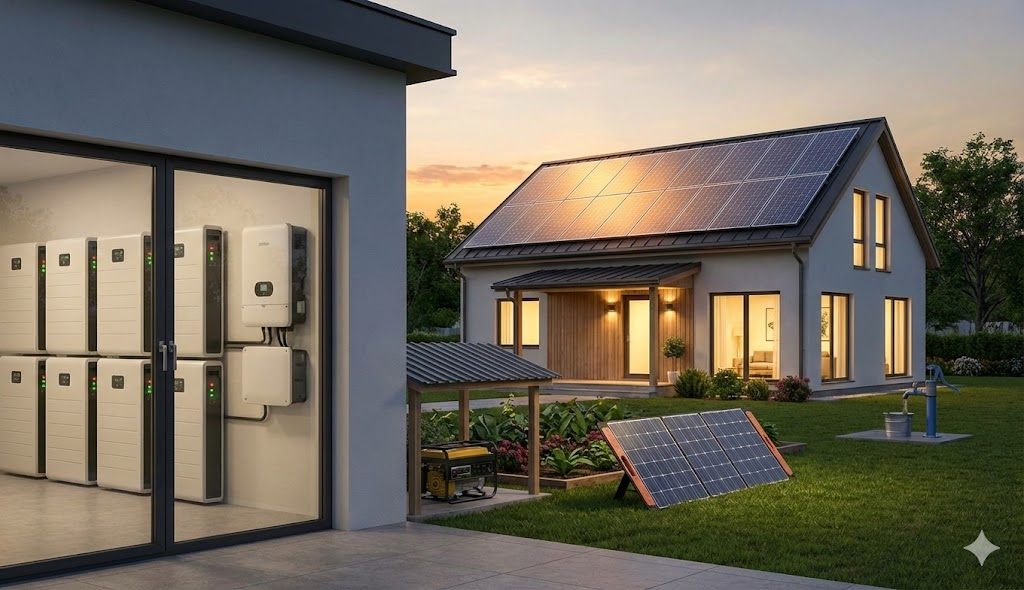
Power Independence is the ultimate goal of domestic energy resilience in a fragile world. It transforms your home from a dependent consumer into a self-sustaining power plant. Relying exclusively on a centralized electrical grid is a significant structural vulnerability for any household. A single storm or technical failure can cut off your life support systems … Ler mais

The 72-Hour Self-Sufficiency Kit: Engineering Your Home’s Life Support

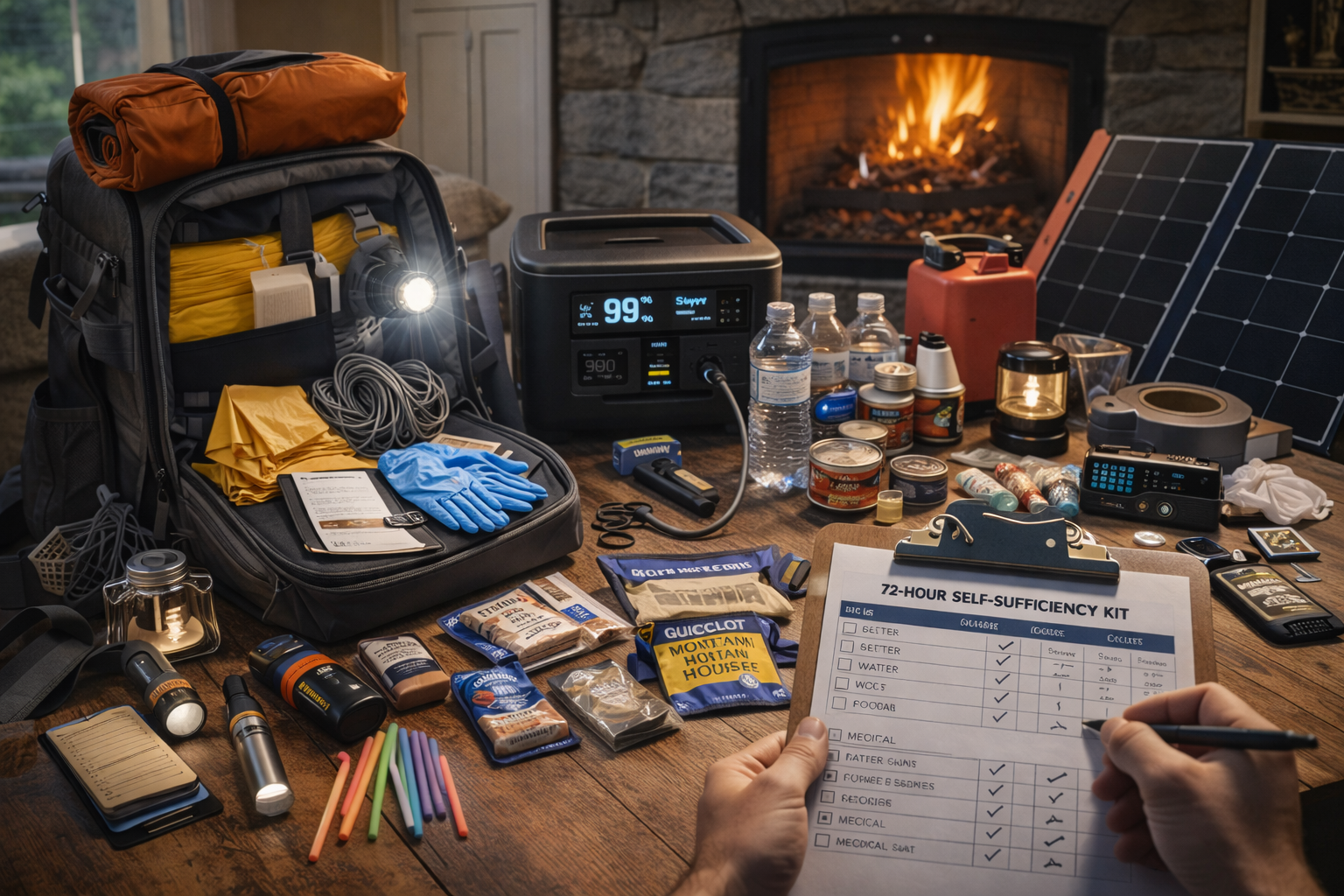
The 72-Hour Self-Sufficiency Kit is the critical bridge between a crisis and the arrival of help. It functions as a portable life support system for your household when primary infrastructure fails. Most families are unprepared for the first three days of a major systemic disruption. Domestic Systems Engineering requires a pre-positioned kit that covers all … Ler mais

The Redundancy Principle: Building Failure-Proof Domestic Infrastructure

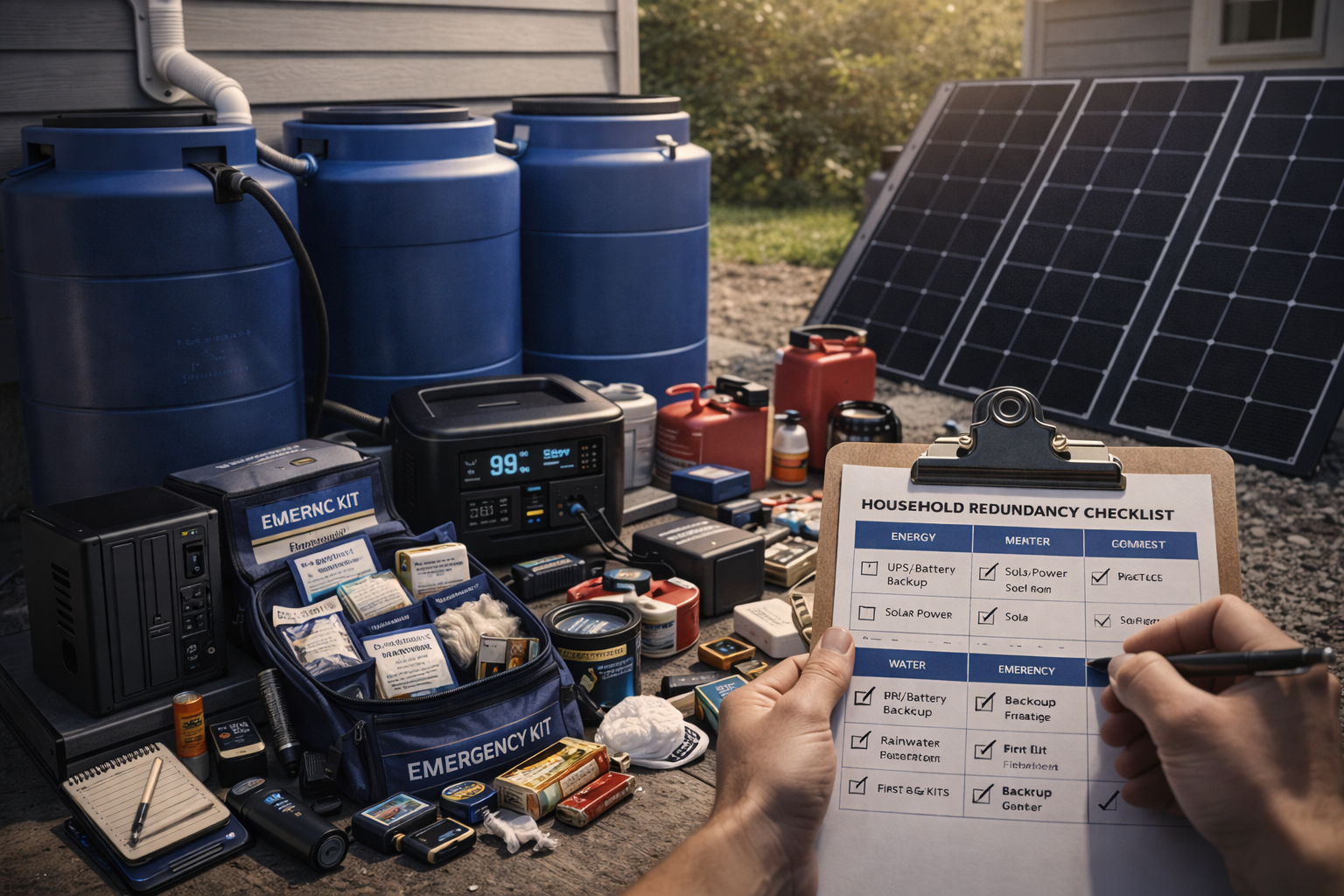
The Redundancy Principle is the fundamental architecture of home safety. It ensures that when one system fails, a secondary backup immediately takes its place. Most modern homes are built with extreme fragility in mind. They rely on single connections for power, water, and vital communication. A high-performance home rejects this “all-or-nothing” dependency model. Domestic Systems … Ler mais